Burnham suggests equal fees for EU students are off the table
Talks remain ongoing, with two EU diplomats saying Britain has offered fees of £12,000. Universities have warned about the financial impact of reductions.
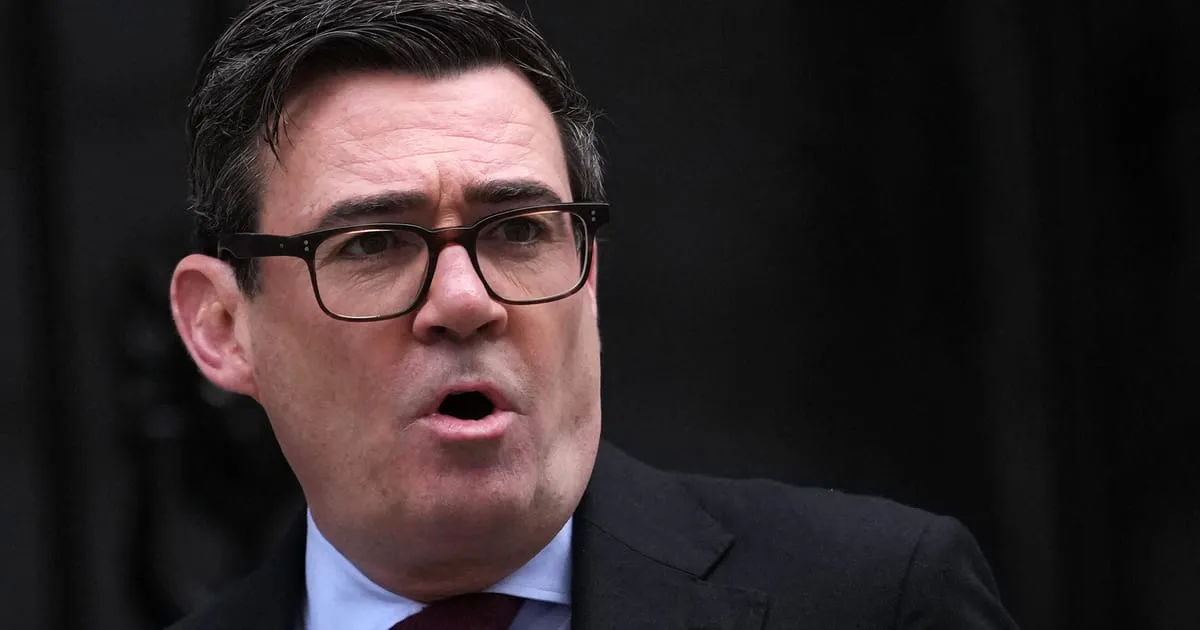
British Prime Minister Andy Burnham appeared to reject matching university fees for EU and domestic students on 25 November 2026, while saying negotiations with the EU were continuing.
Questioned by opposition leader Kemi Badenoch in the House of Commons, Burnham suggested that equal charges would not be offered. He said the EU’s negotiating stance was different from Britain’s. EU students currently pay international rates, sometimes £20,000 above those charged to British students.
Burnham also argued that tuition talks were separate from agreements on food, emissions and youth mobility reached at the UK-EU summit. Contradictory briefings from London and Brussels had raised questions about whether those agreements depended on a settlement over student fees.
Two EU diplomats, speaking anonymously to discuss the plans, said Britain had offered fees of £12,000. EU and UK leaders pledged in a joint statement to seek an agreement on tuition and finish negotiations within six months of the summit.
The Russell Group warned that lower fees for EU students could put pressure on places for UK students and reduce university funding, without necessarily creating more opportunities for EU students to study in Britain.
A Downing Street spokesperson declined on 25 November to confirm whether the other agreements would be implemented on schedule without a tuition deal. A spokesperson had previously expressed confidence that the dates would hold even if no tuition agreement was reached within six months.