
Cambridge Dictionary chooses ‘human’ as its 2026 word of the year
Other candidates included ‘agent’, ‘analogue’ and ‘wholesome’, as artificial intelligence again featured in the dictionary’s annual selection.
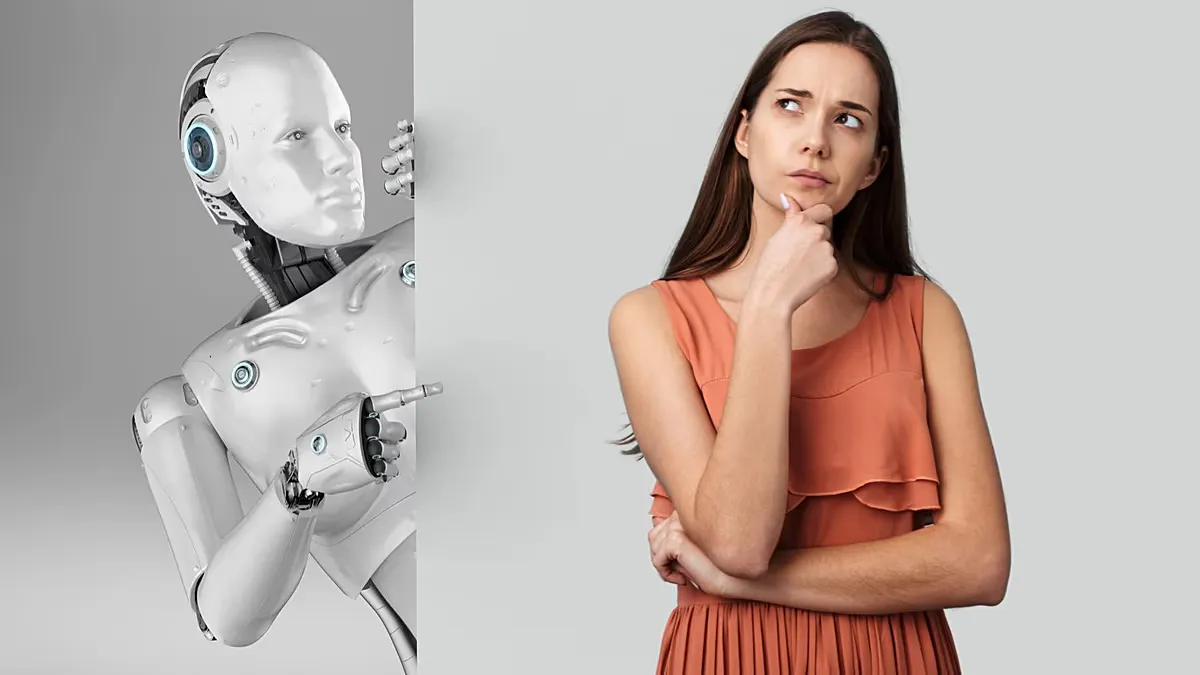
Cambridge Dictionary has named “human” its word of the year for 2026, with lexicographer Colin McIntosh linking the choice to questions about people’s reliance on artificial intelligence and the consequences of delegating thought to machines.
McIntosh said AI was reshaping the language used to discuss being human. Concerns about what people might lose by outsourcing their thinking had prompted a reassessment of dependence on the technology, among mathematicians as well as teachers working with young children.
The selected word comes from the Latin “humanus”. Cambridge’s definition distinguishes people’s feelings, qualities and faults from those of machines, animals and gods. The dictionary also pointed to public comments from AI pioneer and Nobel laureate Geoffrey Hinton expressing his preference for humans over the artificial beings being created.
Rachel Adams, a professor specialising in AI governance and human rights at the University of Cambridge, said the technology revived longstanding questions about human identity. She described both a risk of worsening existing inequalities and the possibility of resolving them.
Among the other candidates were “agent”, describing an AI system able to act and decide independently, and “analogue”, referring to non-digital objects or experiences. “Wholesome”, associated with physical, moral or emotional benefit, was also considered.