Costa proposes EU budget with tech tax and protection for farm payments
The roughly €1.78 trillion proposal would defer €10 billion in post-Covid debt payments, as governments seek a budget agreement by the end of 2026.
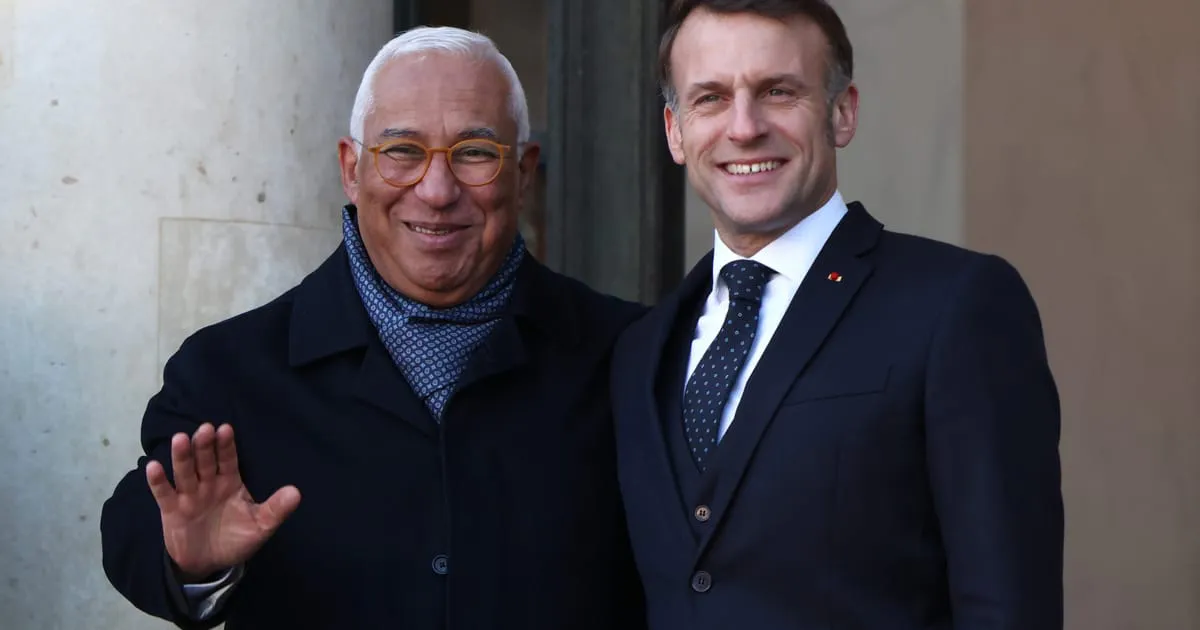
European Council President António Costa has put forward a roughly €1.78 trillion EU budget for the seven-year period beginning in 2028, proposing a tax on technology multinationals while protecting agricultural subsidies. Governments remain divided over spending priorities ahead of a leaders’ summit in Brussels.
The proposal is €44 billion below the version presented last month by Ireland, which holds the rotating presidency of the Council of the EU. It retains €297 billion for direct payments to farmers and would defer €10 billion in repayments of EU post-Covid debt.
The tax proposals address a priority for French President Emmanuel Macron, who has sought EU-wide revenue sources to limit France’s national contribution. Costa largely retained the European Commission’s revenue projections of around €60 billion and proposed giving countries an additional year to spend their regional funding allocations.
Costa said his approach would limit the increase in national contributions from 0.80 per cent to 0.82 per cent of gross national incomes. Germany and the Netherlands are among the net contributors seeking to restrain those payments.
France’s presidential office nevertheless rejected the proposal as insufficient for an agreement, arguing that spending reductions were excessive and safeguards for farmers inadequate. Farming lobby Copa Cogeca announced a Brussels protest for the summit day.
Diplomats expressed greater confidence in reaching agreement before year-end, although disagreements persist between governments favouring a smaller, modernisation-focused budget and those seeking more support for farming and poorer regions. German Chancellor Friedrich Merz also called for negotiations to conclude before the end of 2026. Governments must agree among themselves before seeking European Parliament approval.