EU negotiators agree two-year delay to methane rules
Importers would face a January 2029 compliance deadline under a provisional agreement that still requires approval from the European Parliament and Council.
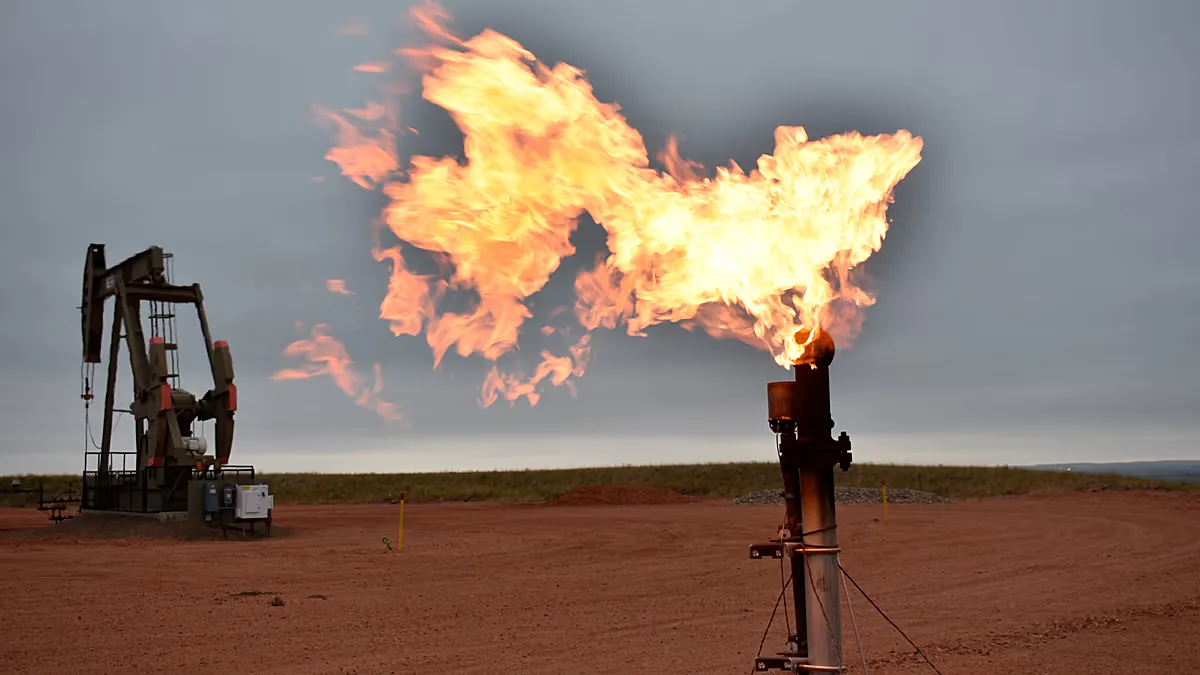
Negotiators for the European Parliament and EU governments have agreed to postpone methane emissions requirements by two years. The deal would give crude oil, natural gas and coal importers until 1 January 2029 to meet monitoring, reporting and verification obligations, replacing the January 2027 deadline.
Methane-intensity reporting for European producers and importers would also move back two years, to August 2030. Formal approval by the Parliament and the Council of the European Union is still needed and is due before the end of the year.
Adopted in 2024, the legislation requires overseas suppliers to disclose methane emissions linked to fossil fuels sold to European buyers. Its early obligations concern emissions data rather than a prohibition on imports that do not meet EU standards.
The compromise falls between Parliament's request for a three-year postponement and the one-year extension supported by EU governments. In October, the European People's Party secured parliamentary backing for the longer delay with support from far-right lawmakers, by 341 votes to 225.
Dimitris Tsiodras, Parliament's Environment Committee negotiator, said the aim was to make compliance workable while maintaining methane-reduction commitments. EU countries have pointed to volatile energy prices and possible supply interruptions linked to the US-Israeli war against Iran.
Environmental groups and experts question whether postponement would materially improve supplies or prices. Activists argue that the delay will undermine climate goals, while the European People's Party says the original schedule risked disadvantaging European producers and importers.