Germany’s €2.7 billion EV subsidy fund could be depleted by end of 2027
The government is revising annual funding allocations as demand exceeds expectations, but has not indicated whether it will increase the programme’s total budget.
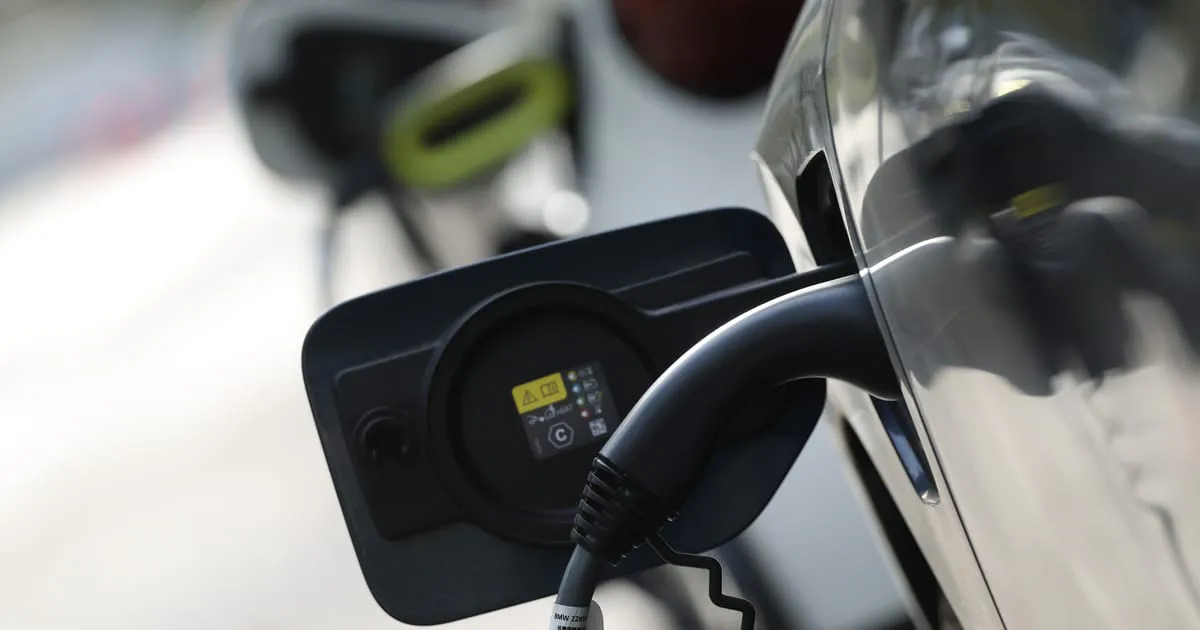
Germany’s electric vehicle grants could consume the programme’s full €2.7 billion budget by the end of 2027 rather than lasting until 2029, a document prepared for final negotiations over the 2027 federal budget indicates.
The government now anticipates €1.7 billion in payments during 2027, against an original allocation of €803 million. Expenditure in 2026 could reach €1 billion if applications keep arriving at their current pace. Annual allocations are being revised without enlarging the overall fund.
Grants are worth up to €6,000 for each vehicle, and government estimates suggest the budget can cover around 800,000 vehicles. BAFA, the German export control agency administering the programme, said in early October that it had approved 100,000 applications, paying more than €430 million.
No indication has been given by the government about additional funding. In October, Environment Minister Carsten Schneider acknowledged stronger-than-expected demand but said eligible buyers could still receive support through 2027.
For customers awaiting delivery, an order does not secure a grant: support is awarded only after the car’s first registration.
October registrations exceeded 94,000 electric vehicles, representing a record market share of 37 per cent, figures from the Federal Motor Transport Authority showed. Constantin Gall, an automotive expert at consultancy EY, said subsidies were the main driver of the boom and predicted a sharp decline in registrations once the funding ran out.