
Reusable pet passports to return for UK owners visiting the EU in 2028
New microchip codes will identify the country where an animal was initially identified, with no retrospective requirement for existing chips.
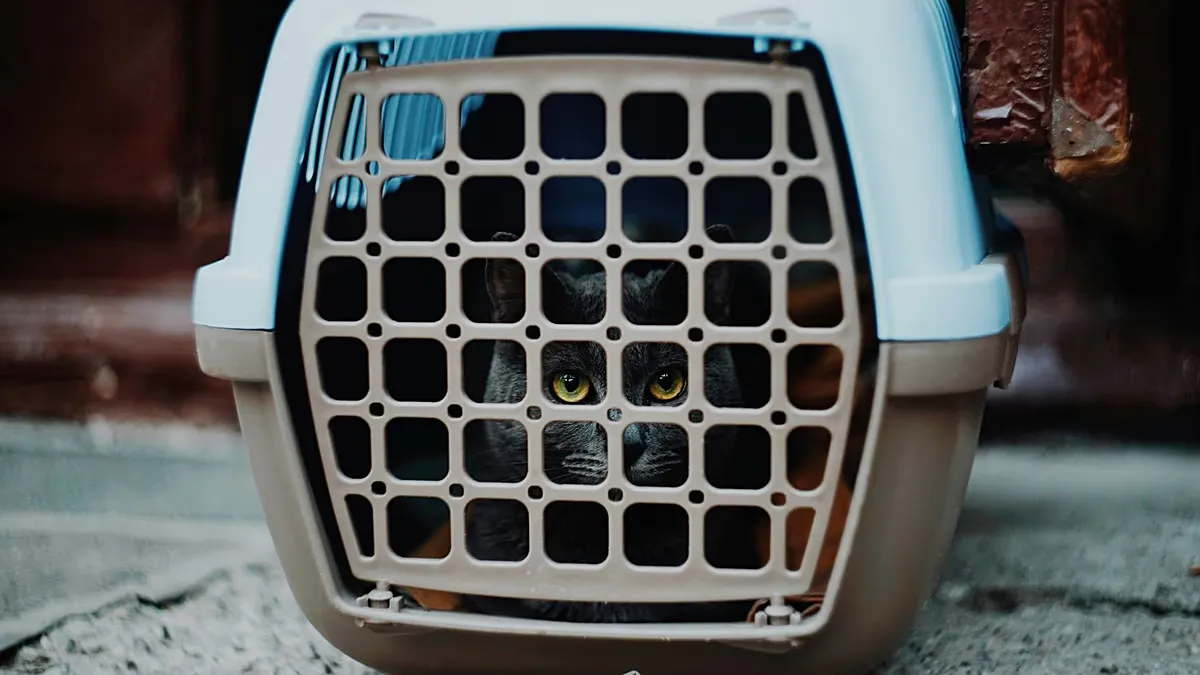
From 1 March 2028, British pet owners travelling to the EU with dogs, ferrets or cats will have access to passports covering multiple trips. These will replace the animal health certificates currently required for each journey. Information on obtaining the passports is due in 2027.
The move follows a UK-EU agreement on aligning sanitary and phytosanitary rules. For animals microchipped from 1 March 2028, a code must indicate the country in which they were initially identified. Existing microchips will not be subject to that requirement.
The UK is also expected to work on making its microchip database system compatible with EU systems. The British Veterinary Association welcomed the agreement while stressing that the transition should not adversely affect vets across the profession.
Under the present system, only official veterinarians may sign animal health certificates. Fees range from £90 to £250, varying with the vet’s location and the turnaround time, among other factors.
Owners seeking a certificate must supply evidence of when their animal was microchipped and its vaccination history. Pets must either have a current rabies vaccination or need only booster doses to maintain it. If a rabies vaccination is needed, the wait before certification can be up to 30 days.
Certificates provide a 10-day entry window, starting on the issue date. Once the animal has entered the EU, they cover onward EU travel and re-entry into Great Britain for six months.