UK to gain consultation rights under EU food and carbon deals
Legal texts set out how Britain can contribute to draft legislation without voting rights, alongside exemptions and financial obligations.

Britain will be able to comment on proposed European Union legislation under agrifood and carbon trading agreements, but will have no decision-making powers. Legal documents published on 26 November 2026 detail the arrangements agreed at a UK-EU summit.
The agreements provide for British input while relevant EU legislation is being drafted, through consultations, expert discussions and committee meetings. They do not give London a vote or a formal part in taking EU decisions.
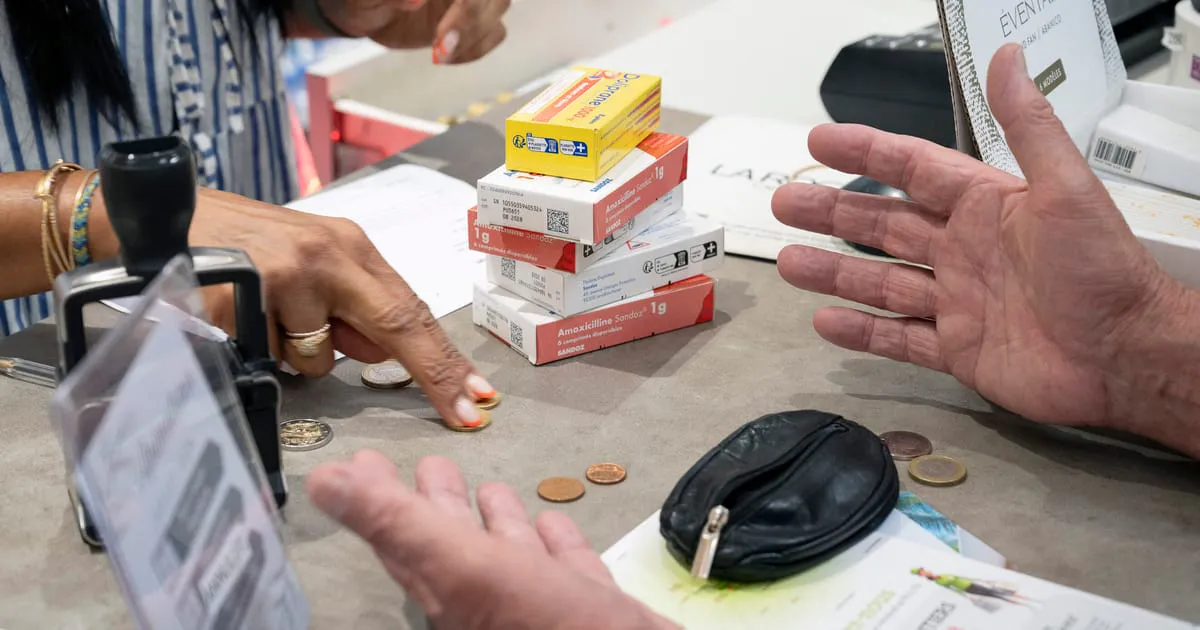
The documents precede the introduction to parliament of the government’s ‘Cutting Costs’ (European Partnership) Bill, which will implement the agreements. The agrifood pact will bring Britain into line with most EU sanitary and phytosanitary rules, eliminating the need for costly border checks. The other agreement will reconnect the two emissions trading markets.
Joël Reland, senior research fellow at the UK in a Changing Europe think tank, compared the consultation model to Switzerland’s. He said Britain would still need to actively apply legislation, leaving parliament some scope to resist.
The agrifood text exempts live animal exports, pet smuggling and precision-bred plants from alignment. Novel foods, pesticides and organic products will have transitional arrangements. It also includes a 10-year termination clause requiring either party to cover reasonable, proportionate border infrastructure rebuilding costs if the agreement ends.
Under the carbon agreement, Britain can reward high-emitting industries that incorporate greenhouse gas removal technology into manufacturing. It will retain all revenue from its emissions trading scheme and control how that money is spent.
Britain must also make an operational contribution to the EU’s food security system, plus a participation fee equal to 4 per cent of that contribution.