Biodiversity summit ends without deal to widen funding obligations
Governments renewed their commitment to 2030 nature targets, while fresh financial commitments totalled US$1.8 billion.
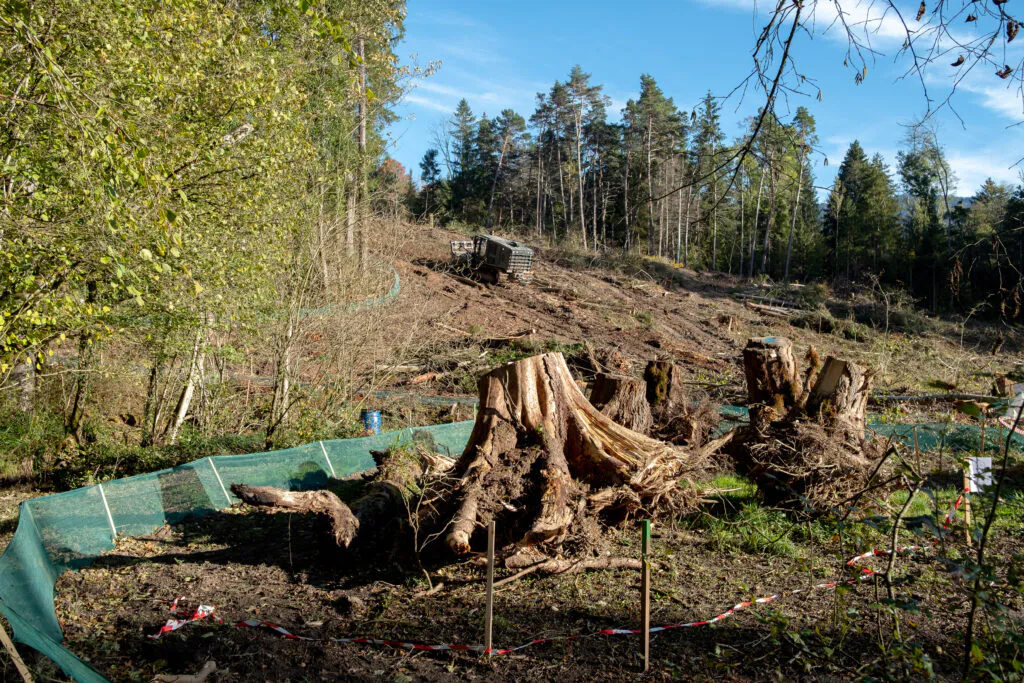
Nearly 200 countries agreed at the United Nations COP17 biodiversity summit in Yerevan, Armenia, to accelerate nature protection, but failed to resolve which additional countries should help finance it. The talks ended after two weeks without agreement on expanding the donor base.
Existing donors, including the U.K., Switzerland, Norway and some EU members, sought greater contributions from other high-income countries. China, Saudi Arabia, Russia and Argentina were among non-donors opposing income-based criteria for deciding who should pay.
The draft agreement instead encouraged voluntary contributions and acknowledged that a wider group of contributors would help raise biodiversity funding. The final text was not immediately available. Jessika Roswall, the EU’s environment commissioner, said more resources were needed to implement the Global Biodiversity Framework effectively.
Governments maintained their targets of protecting 30 per cent of the planet’s land and sea areas and mobilising US$200 billion a year for biodiversity by 2030. The United Nations estimates the annual funding shortfall at US$700 billion. France’s environment minister, Monique Barbut, said the world was not on course to halt and reverse biodiversity loss by 2030.
Fresh commitments from governments including Germany, Iceland, Uzbekistan and Spain amounted to US$1.8 billion for the Global Biodiversity Framework Fund and the Global Environment Facility. Negotiators also agreed to give cities and local governments a stronger role in delivering biodiversity goals and improve their access to funding.
Unresolved questions will return at the next summit in Ecuador in 2028. They include how to encourage more companies benefiting from nature to contribute to the Cali Fund, established in 2024 to channel private finance into conservation.