Commission plans UN climate summit reforms after COP31 deadlock
The proposals will be developed with EU member states after negotiators failed to agree on a declaration reaffirming the shift away from fossil fuels.
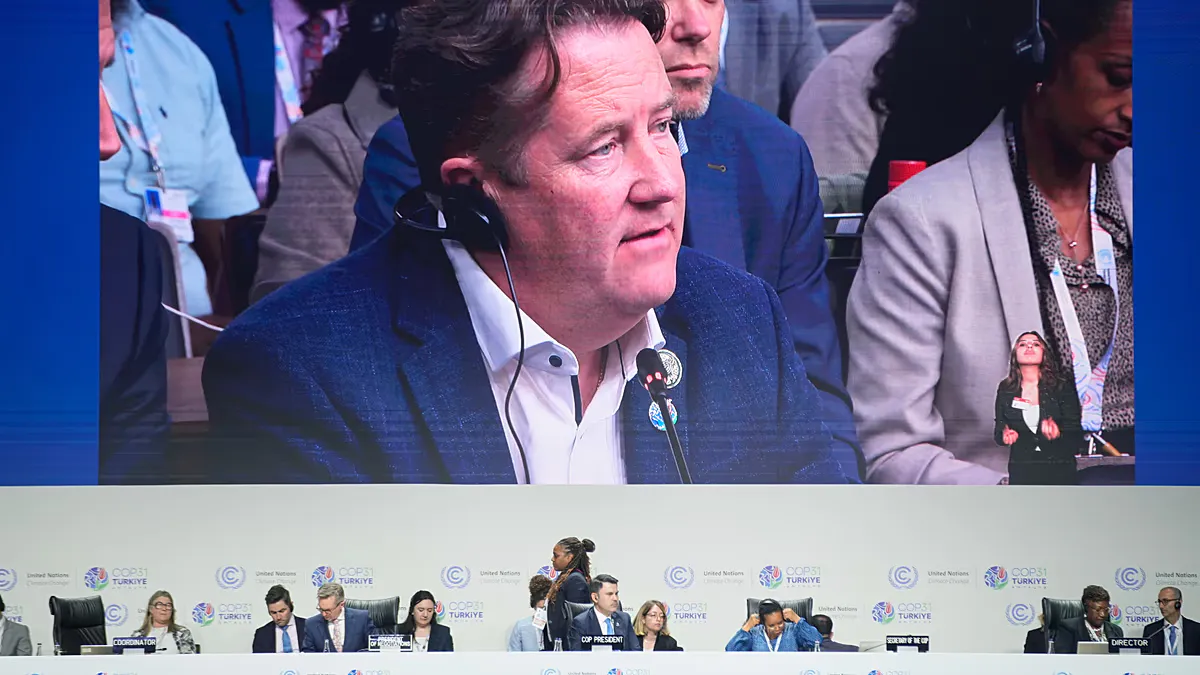
The European Commission is preparing proposals to reform United Nations climate summits following COP31’s failure to reach consensus on a political declaration. It says rules allowing one country to block a deal risk undermining negotiations involving nearly 200 parties.
The Commission will consult EU member states on the proposals. Its priorities include making negotiations more transparent, finding ways around deadlocks without weakening the process’s democratic legitimacy, and narrowing the growing range of topics discussed at the summits.
At COP31, the EU and a coalition numbering more than 130 countries sought to restate commitments made at COP28 in Dubai, the Commission said. Those covered a transition away from fossil fuels, tripling renewable energy capacity and doubling improvements in energy efficiency.
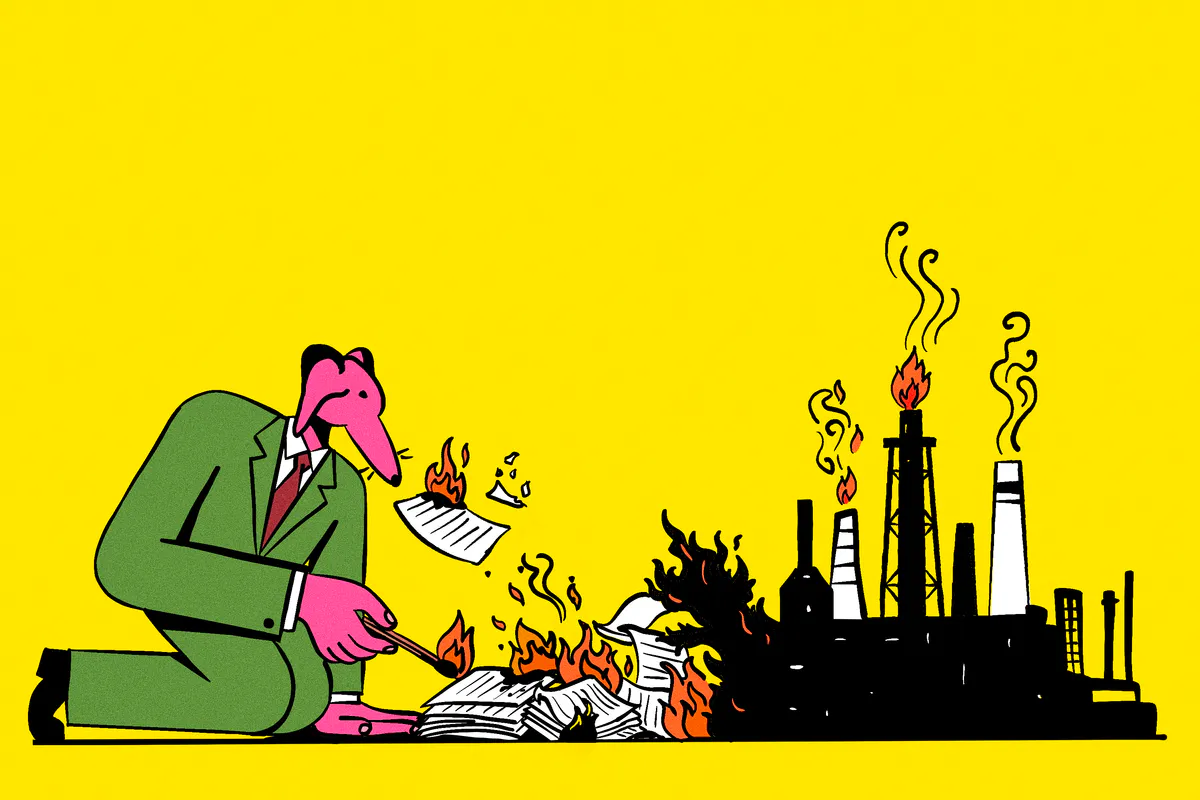
The Commission blamed resistance from a Saudi Arabia-led group for the breakdown. It accused the group of trying to substitute a stronger focus on carbon capture and storage for the fossil fuel transition wording. The EU rejected a proposed gigaton-scale carbon capture target for 2035, arguing it could prolong fossil fuel use.
Between 80 and 90 countries opposed the final draft declaration, according to the Commission’s estimate. They included every EU member state, the UK, Norway, Switzerland and more than 40 least developed countries.
The Commission nevertheless pointed to progress elsewhere at COP31, including carbon-market decisions and US$103 billion in climate-finance pledges from development banks. It also wants coalitions of willing countries to advance climate action outside formal negotiations. Finland, Denmark, Portugal and Spain have announced their own roadmaps for moving away from fossil fuels.