Commission warns EU budget cuts would shift costs to national governments
Germany wants further reductions and rebates for wealthier contributors, while the Commission disputes claims that the proposed budget represents an increase.
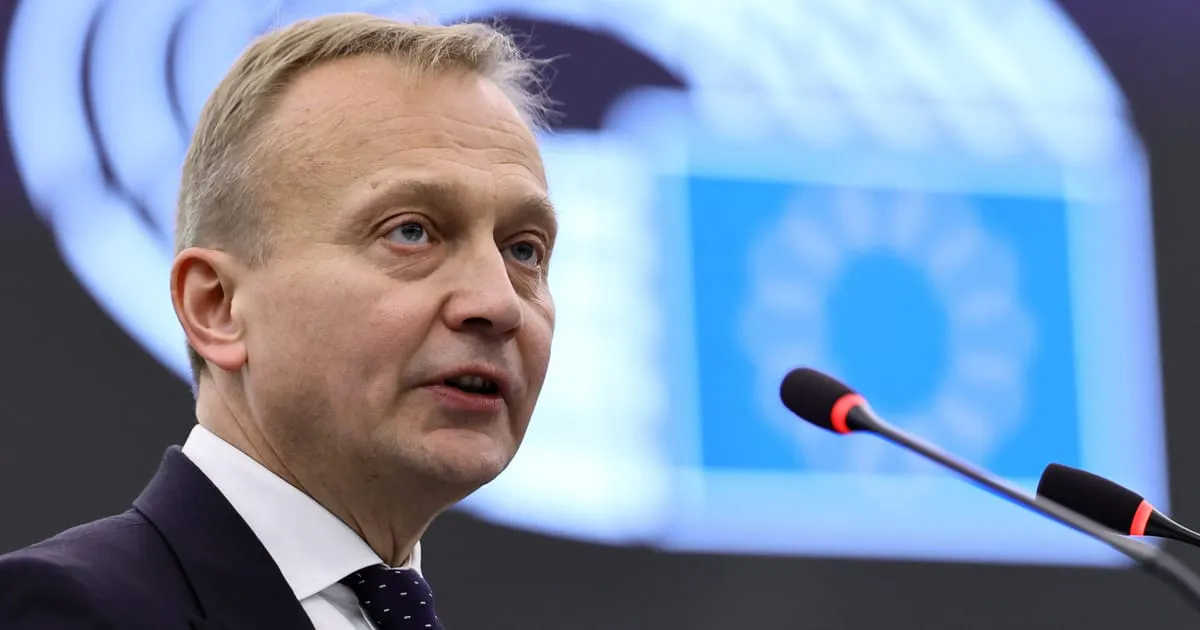
EU Budget Commissioner Piotr Serafin warned on 25 November 2026 that a proposed €44 billion reduction in the bloc’s next seven-year budget would leave national governments facing costs themselves. Speaking at the European Parliament before a summit in Brussels, he challenged the cuts put forward by European Council President António Costa.
Serafin argued that reducing EU spending would not necessarily save member states money, because investments in competition and security would still need financing from national budgets. Costa is seeking progress in the negotiations before a further summit on the Multiannual Financial Framework, which starts on 17 December.
Germany is leading demands for tens of billions in additional reductions from the European Commission’s proposal. In an internal note, the German government argued that substantial further cuts were necessary to make the budget affordable, describing the proposed increases over the current framework as excessive.
Berlin also made restoring rebates on wealthier countries’ budget contributions a condition for an agreement. However, it signalled willingness to consider a proposed EU-wide tax on digital giants.
Serafin disputed the claim that the proposal increased spending, saying it was smaller relative to gross national income than the current framework, which took effect in 2021. He said comparisons suggesting an increase failed to account for inflation.
Using its latest inflation estimates, the Commission put the proposal at 1.06 per cent of EU gross national income. In a note, it said that share fell to 0.97 per cent when repayments of the bloc’s post-Covid debt were excluded.