EU and Canada weigh study of long-term LNG supplies
A draft summit statement proposes examining Canadian gas exports to Europe but leaves volumes, costs and infrastructure requirements unresolved.
The EU and Canada plan to examine the feasibility of long-term Canadian liquefied natural gas (LNG) exports to Europe, according to a draft statement prepared for their summit in Montreal on 29–30 October 2026. The discussions come as Europe faces sharply rising gas prices and historically low storage.
The draft does not specify potential supply volumes, prices or the infrastructure needed to reach European buyers. It also envisages cooperation on power grids and batteries for energy storage, as well as protecting energy infrastructure against physical threats and cyberattacks.
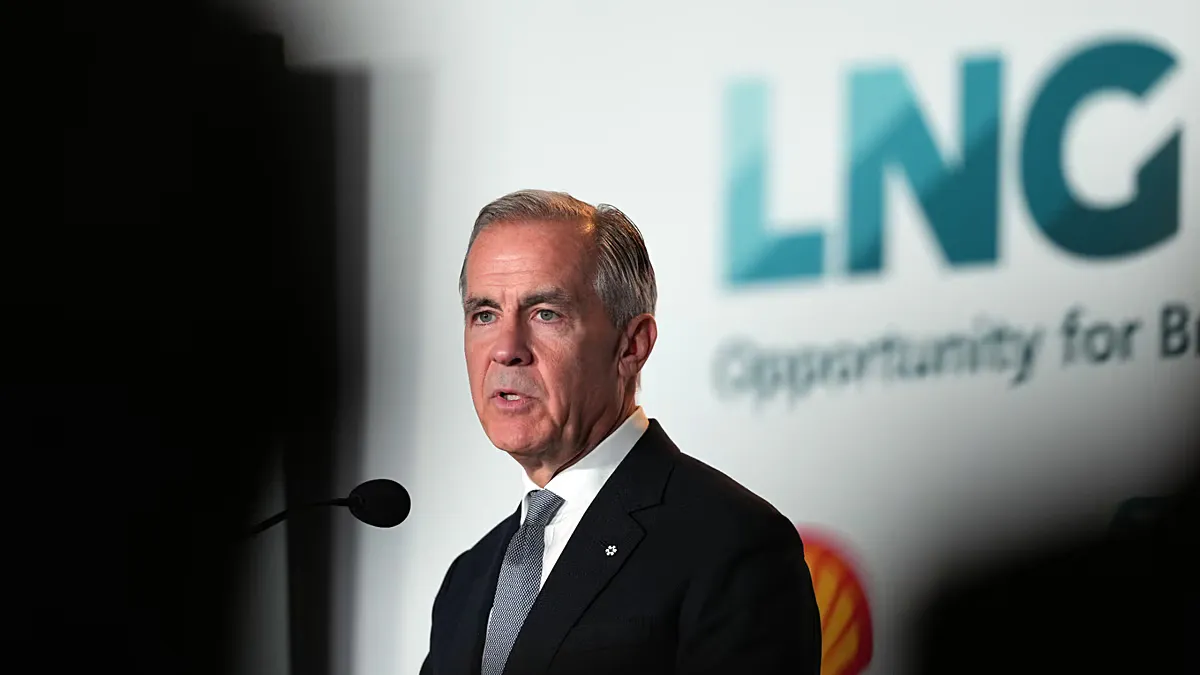
Canadian Prime Minister Mark Carney has supported proposals that could double the capacity of west-coast LNG exports. He has also indicated that gas exports from New Brunswick could be developed if the province lifts its ban on fracking and builds a domestic production industry.
The US became the EU’s biggest LNG supplier after Russia launched its full-scale invasion of Ukraine. Disruptions affecting Qatari gas production and shipping have also weakened European supply security, while Asian buyers represent another potential market for Canadian LNG.
Esther Bollendorff, fossil-free programme manager at Climate Action Network (CAN) Europe, criticised the proposed study. She argued that it could divert attention from renewable electrification and energy efficiency, prolong reliance on fossil-fuel infrastructure and expose consumers on both sides of the Atlantic to higher bills.