
Commission opens talks on raising EU refinery output
Around a quarter of EU refineries have closed in 20 years, while the Commission expects global diesel supplies to remain tight well into 2027.
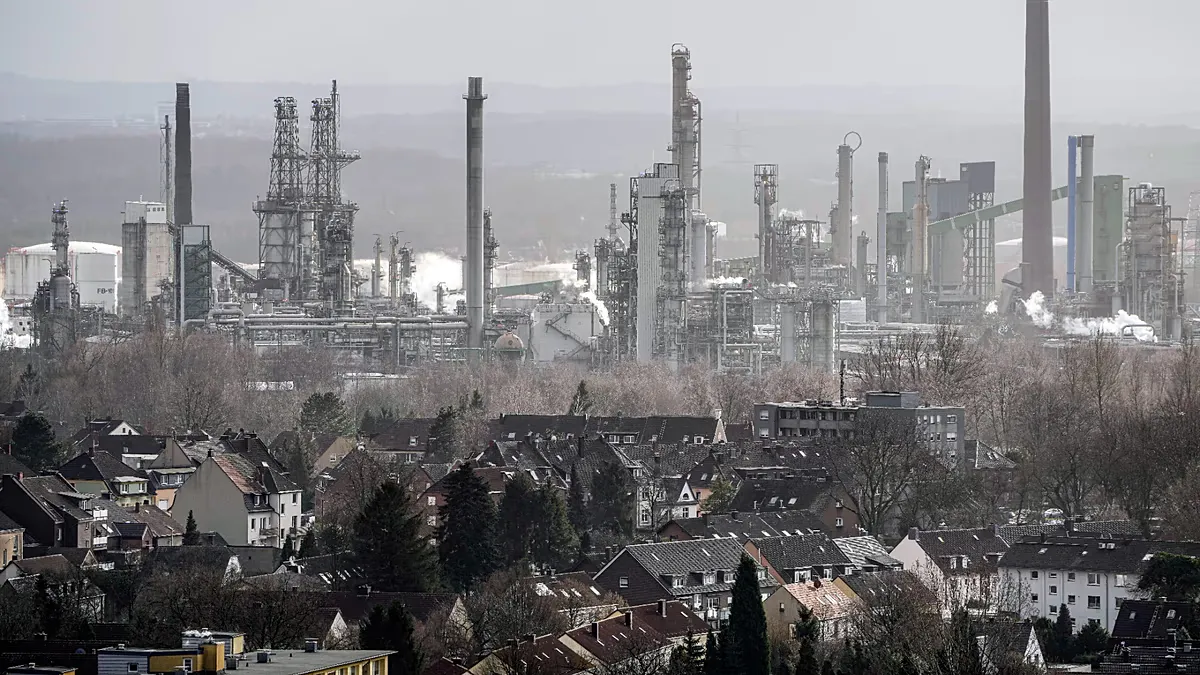
The European Commission has begun discussions with refiners about increasing fuel output at operating plants in Europe, as Energy Commissioner Dan Jørgensen warned that declining refining capacity poses risks to security and competitiveness.
Industry proposals will be examined by the Commission following the talks. More technical discussions are planned before a further meeting in early 2027 reviews progress. The Commission has not specified whether the proposals include reopening refineries, enlarging plants or building additional capacity.
Over the past 20 years, closures have affected around a quarter of the EU’s refineries, cutting total capacity by approximately 10 per cent, according to the Commission. Germany, Italy, Spain, the Netherlands, France and Belgium hold the largest shares of that capacity.
Drawing on the International Energy Agency’s latest assessments, the Commission expects tight global diesel supplies to persist well into 2027. It hopes higher European refining output will relieve near-term supply constraints and limit exposure to disruptions. Financial incentives, regulatory changes and specific capacity targets have yet to be announced.
Separately, Poland, Czechia and Slovakia have called for a long-term strategy to safeguard EU refining ahead of an energy ministers’ meeting on 29 October. The three governments argue that access to crude oil does not guarantee supplies of usable fuels without sufficient processing capacity, and want concrete measures to preserve the industry’s competitiveness.