EU carbon market draft would ease conditions for free industrial permits
The Irish Presidency is seeking agreement on changes to the Emissions Trading System, while environmental groups warn of risks to the 2040 climate target.
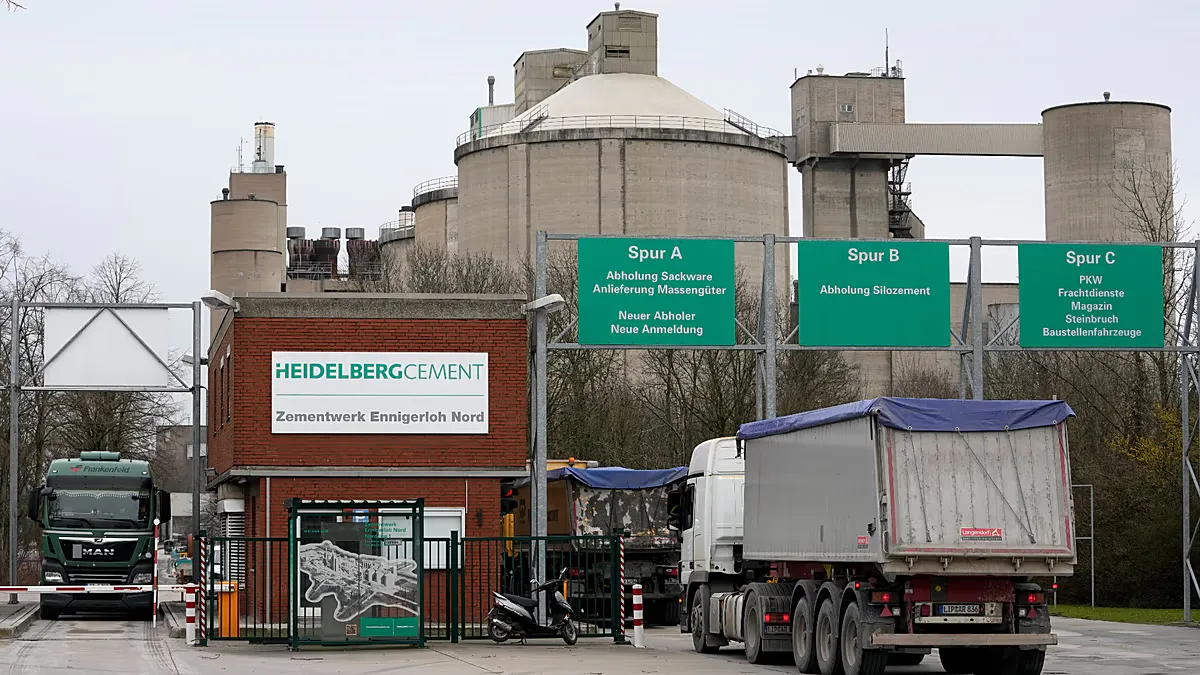
Industrial companies could keep 80 per cent of their free carbon allowances after submitting an investment plan, even without delivering the investments, under a draft compromise from the Irish Presidency of the Council of the EU. The proposal forms part of negotiations over the Emissions Trading System (ETS) beyond 2030.
Access to the other 20 per cent would depend on construction beginning on eligible projects. Free allowances protect EU manufacturers from competitors operating under weaker climate rules by providing permits that do not have to be purchased at auction.
The draft preserves elements of the European Commission’s July proposal, including a slower reduction in the supply of allowances, longer-lasting free permits and the introduction of international carbon credits. Those credits would enable overseas projects to offset emissions within the EU.
Allowances representing 260 million tonnes of CO2 would be reserved to fund credit purchases. A trial could run between 2031 and 2035, while strict requirements governing credit quality and integrity would remain.
Member states disagree over the pace of permit reductions, the use of international credits and the protection industrial sectors should receive from carbon costs. The Irish Presidency wants an agreement at the Environment Council on 11 December. A European Parliament vote is expected during its 14–17 December plenary in Strasbourg.
An Öko-Institut study commissioned by WWF Germany concluded that the Commission’s proposed changes were incompatible with the EU’s goal of reducing net emissions by 90 per cent by 2040. It also questioned whether sufficient capacity would exist for permanent carbon removals intended to compensate for additional emissions above the current cap.