EU climate chief signals flexibility on COP31 clean power demand
Wopke Hoekstra suggested the EU could soften its position on electricity sources to attract wider support for an electrification agreement.
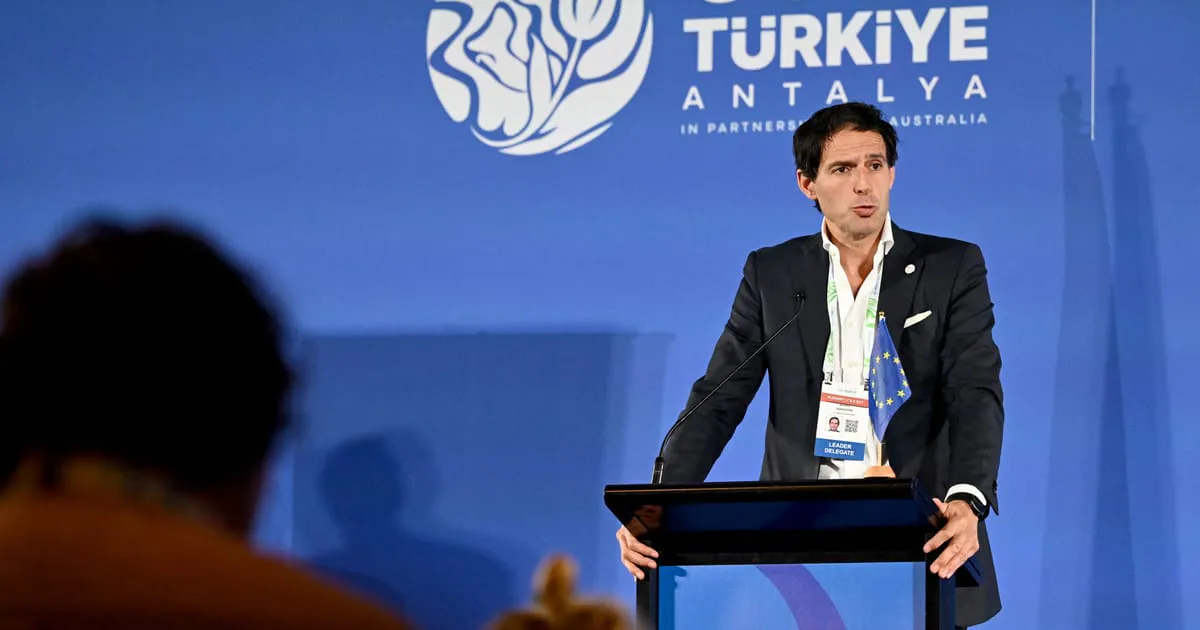
Climate Commissioner Wopke Hoekstra indicated on 13 November that the EU might accept a COP31 electrification agreement without an explicit requirement for clean power, arguing that flexibility could bring more countries into a deal.
Governments meeting in Antalya, Turkey, are considering whether the summit’s final decision can include a consensus on increasing electricity’s role in energy consumption. The Turkish-Australian hosts are separately seeking signatures for a voluntary electrification pledge.
The EU entered the talks seeking an explicit reference to electricity from renewable or nuclear sources. That position forms part of the negotiating mandate approved by its 27 member governments. Hoekstra’s comments suggested a possible concession rather than an agreed change to that mandate.
Speaking to reporters, Hoekstra argued that switching to electricity could lower energy demand and emissions through greater efficiency, even where some power came from polluting sources. He said wind, solar and nuclear should supply a large share, but warned against making absolute conditions a barrier to broader participation.
Hoekstra said he hoped electrification could help unite countries and advance an earlier agreement on moving away from fossil fuels. He described China’s position on electrification as similar to the EU’s.
He also expressed limited expectations for the summit, citing difficult geopolitics and resistance to climate action, while maintaining that an electrification deal remained possible.