European Parliament backs proxy voting for new mothers, excluding fathers
The exemption still depends on national ratification of changes to the European Electoral Act. Only ten countries have completed that process.
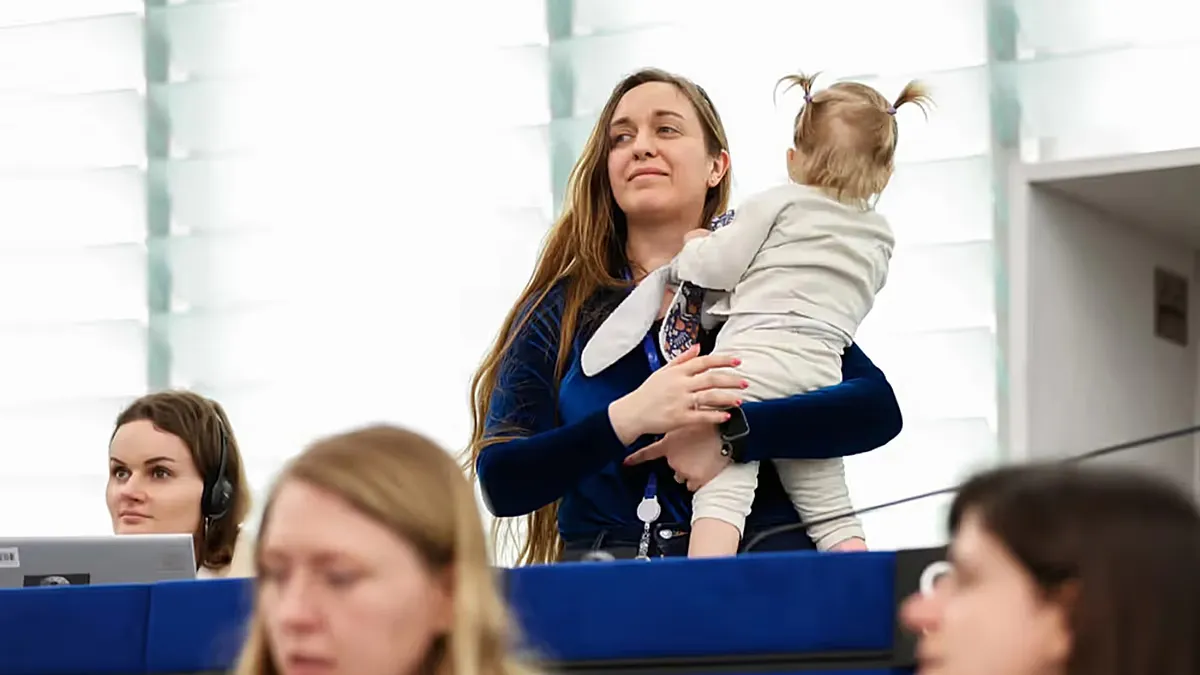
The European Parliament approved a measure on 12 November 2026 allowing female MEPs to nominate a colleague to cast their plenary votes around childbirth. The exemption, which excludes fathers, would cover the three months preceding the expected birth date and the six months following delivery.
The measure won an overwhelming majority but cannot take effect until every EU member state has ratified the amended European Electoral Act through its national parliament. Ten countries have so far done so. The change creates a temporary exception to compulsory in-person voting.
Dutch Socialist MEP Lara Wolters, who steered the measure through Parliament, said she wished the arrangement could also cover fathers and MEPs adopting children. Existing parliamentary leave rules allow either parent a justified absence starting two months before a birth and ending four months afterwards.
Spanish Socialist MEP Juan Fernando López Aguilar, who drafted the accompanying electoral-law amendment, said extending proxy voting to men could have jeopardised the provision. He pointed to the requirement for agreement from all 27 EU member states followed by national parliamentary ratification.
An attempt to include fathers was rejected in November 2025 in a vote without an individual voting record. Dutch MEP Marieke Ehlers of Patriots for Europe opposed extending the arrangement to men or foster parents, arguing that it addressed physical limitations associated with childbirth and nursing.