EU leaders seek carbon market measures as ETS2 delay push stalls
Six countries sought to postpone the new carbon market until 2030, while Nordic governments warned against weakening incentives for clean investment.
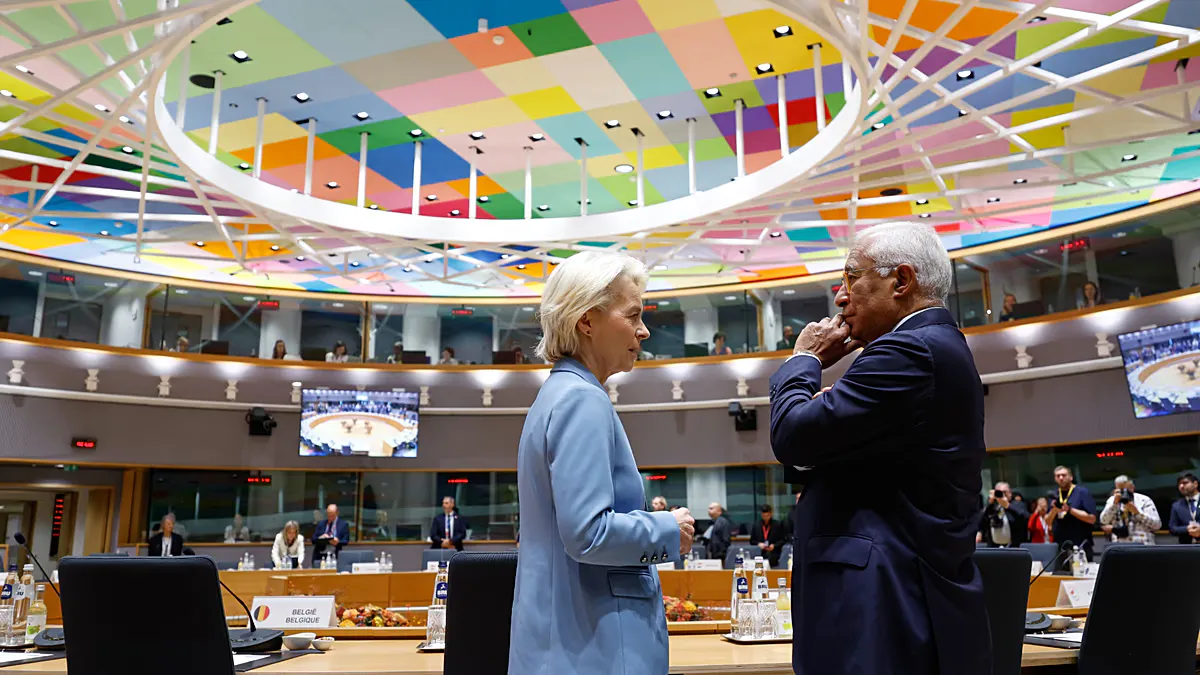
EU leaders asked the European Commission to consider additional short-term action on the bloc’s carbon market after divisions emerged at a Brussels summit. A six-country push to postpone ETS2, the planned market for transport and building fuels, failed to secure sufficient support.
Hungary, Slovakia, the Czech Republic and Poland sought to move the ETS2 start date from 2029 to 2030, with backing from Italy and Greece. They argued that households and small businesses would face higher costs and highlighted wide regional price differences. An EU diplomat said the changes could not obtain the unanimity required.
The six governments nevertheless secured a request for the Commission to assess ETS2’s impact, design and safeguards, according to the Council conclusions. Leaders also called for faster legislative work on the Market Stability Reserve, which manages allowance supply to limit price volatility.
Finland, Denmark and Sweden opposed weakening the existing Emissions Trading System (ETS). In a joint letter, they argued that less predictable carbon pricing would discourage investment in clean technologies and slow industrial emissions cuts. They also warned that other economic sectors would have to shoulder more of the reductions.
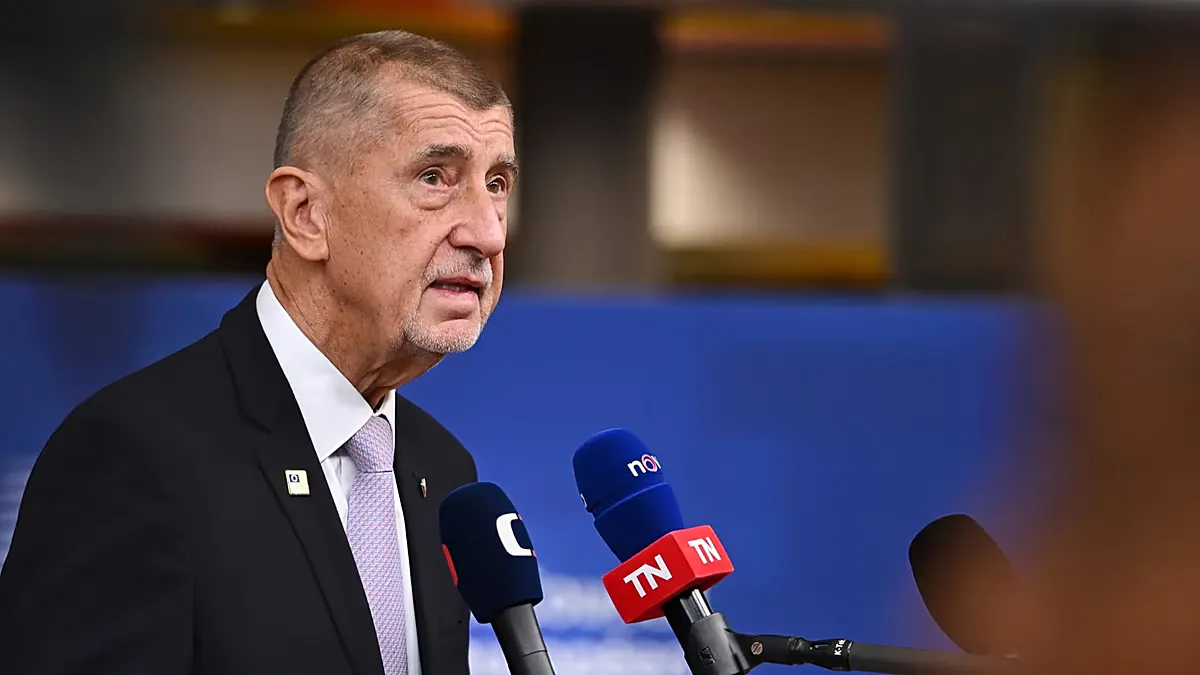
Czech Prime Minister Andrej Babis took the opposite position, blaming carbon-market speculation for harming European competitiveness. He argued that allowance prices had exceeded initial forecasts and that manufacturing and citizens were bearing the cost.
The existing ETS charges companies for emissions and covers heavy industry, electricity generation, airlines and shipping. The Commission says emissions from industries covered by the system have fallen by 51 per cent since its introduction in 2005.