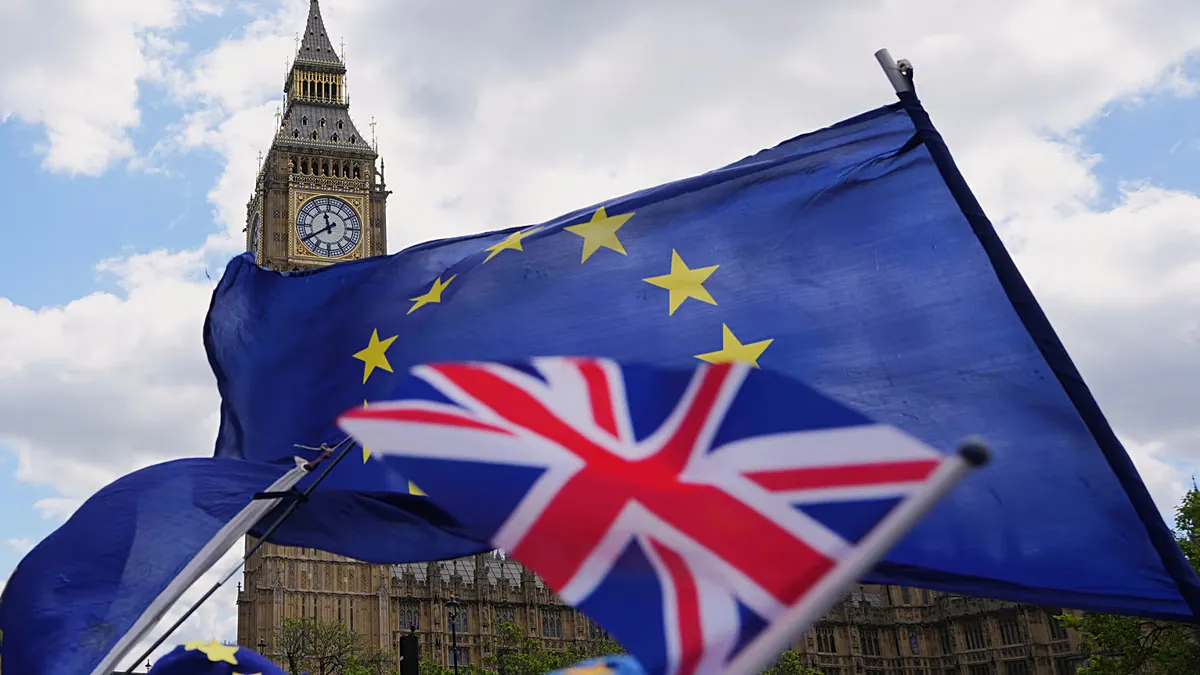
European Commission sets out first sustainable tourism strategy
Plans include a tourism alliance, training academy and shared data tools, alongside measures to encourage year-round travel and visits to less-visited destinations.
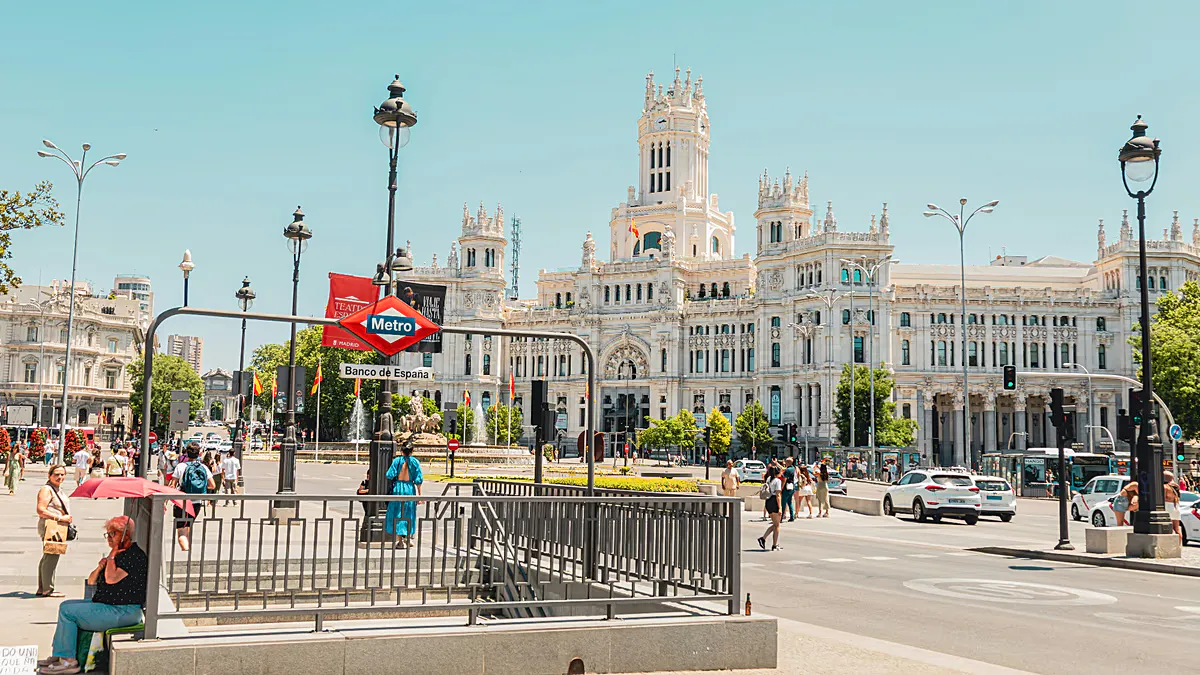
The European Commission has presented its first EU Sustainable Tourism Strategy, aiming to strengthen the sector’s competitiveness while tackling skills shortages, climate pressures and changing traveller expectations. The plans also seek to reduce administrative obstacles for tourism businesses.
According to the Commission, European tourism supports 20 million jobs and five million businesses, with small and medium-sized enterprises accounting for 99 per cent of those businesses. The sector contributes 10 per cent of EU gross value added.
A planned EU Tourism Alliance will link national governments with regional and local authorities, businesses and other stakeholders. Its remit includes promoting Europe as a destination while seeking to ensure that tourism benefits residents as well as visitors.
The Commission’s proposed tools include an EU Tourism Academy for training, a Common European Tourism Data Space and an EU Tourism Observatory to examine trends. The strategy aims to help smaller businesses and destination management organisations gain access to skills, digital tools and data.
The plans also encourage travel throughout the year and greater promotion of less-visited destinations to spread visitor flows. Supporting measures include an EU Model for Tourism Management, a Toolbox for Balanced Tourism and an EU Tourism Crisis Coordination Network.
The European Travel Agents’ and Tour Operators’ Associations welcomed the strategy’s focus on skills, smaller businesses and connectivity. Road transport organisation IRU welcomed recognition of coach operators’ difficulties with differing local vehicle-access rules, saying the strategy represented a commitment to improve access to information on urban vehicle registration.