Germany challenges von der Leyen’s proposed EU status for Canada
Berlin had proposed associate membership for Ukraine, while the Commission president’s version would apply to countries that cannot join the EU.
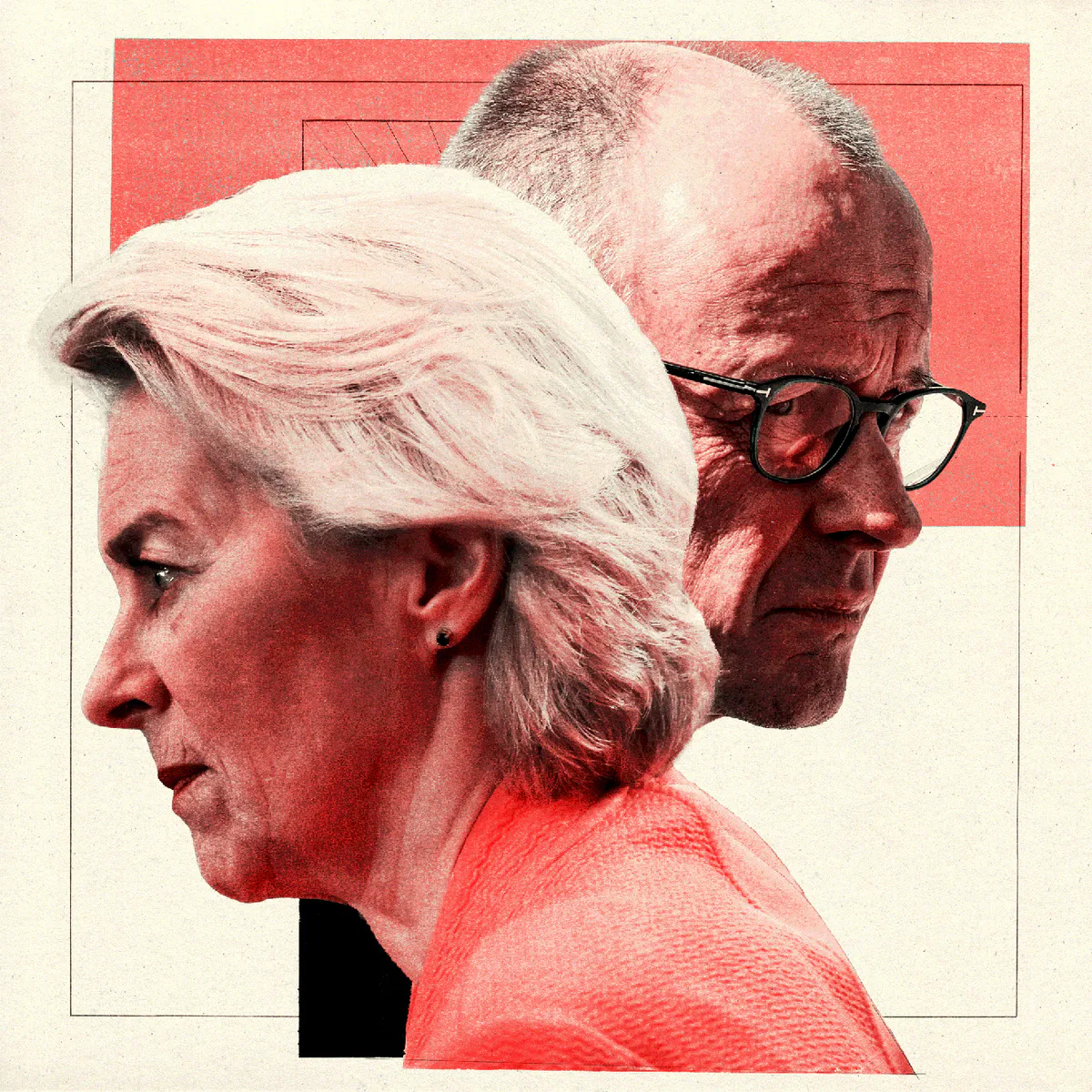
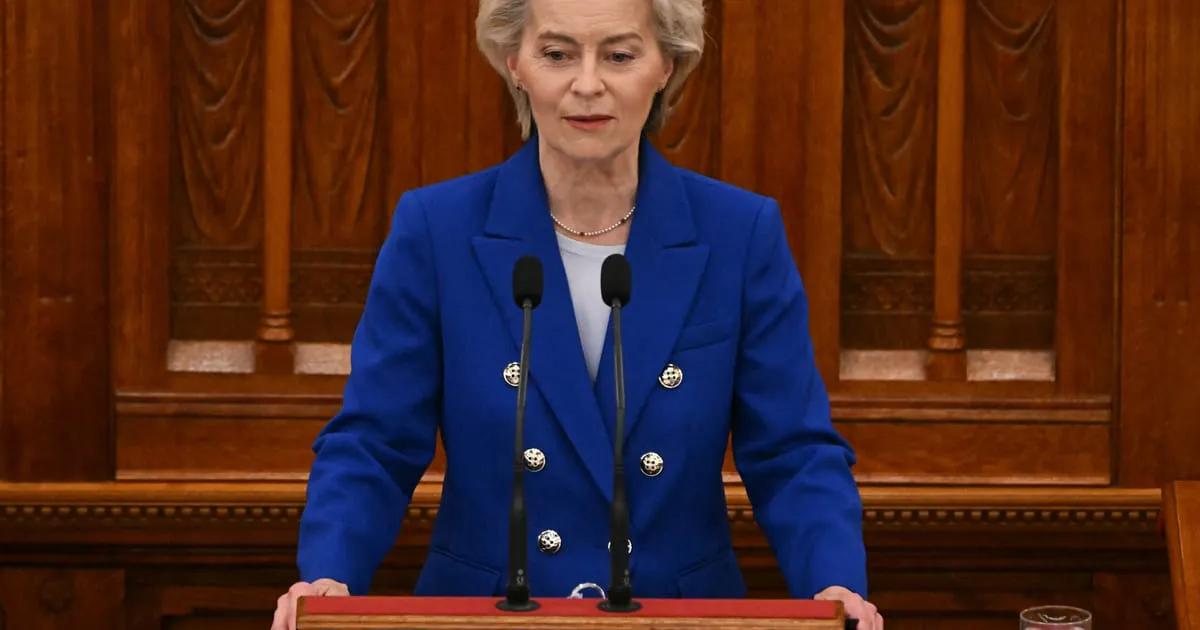
A proposal by European Commission President Ursula von der Leyen to give Canada “associate member” status has drawn German opposition, four diplomats said, adding to tensions with German Chancellor Friedrich Merz over the EU’s direction.
Von der Leyen used the label at a Montreal summit hours after Germany led efforts to exclude it from a statement endorsed by all 27 EU capitals. Two diplomats said Berlin subsequently repeated its objections during a meeting of EU ambassadors. A person familiar with von der Leyen’s thinking said she intended to retain the term.
Merz had previously suggested associate membership for Ukraine while it pursues EU accession, but that proposal met rejection, including from Kyiv. Two EU diplomats said von der Leyen’s definition would instead cover a country ineligible for full membership, ruling out its use for Ukraine.
Both sides nevertheless stressed agreement on closer relations with Canada. Paula Pinho, the Commission’s chief spokesperson, said the focus was on advancing cooperation following the summit. A German diplomat said the substantive goal was shared: a partnership unlike the EU’s relationships with other non-member countries.
The disagreement comes alongside differences over EU spending and security arrangements. Berlin has demanded cuts of hundreds of billions from the Commission’s proposed long-term budget of around €2 trillion before giving its approval. Von der Leyen’s proposed European Security Council has also struggled to win German support.