Séjourné says France and Germany are close to deal on car rules and industry protections
The proposed bargain would strengthen the Industrial Accelerator Act in return for easing combustion engine rules, while retaining decarbonisation targets.
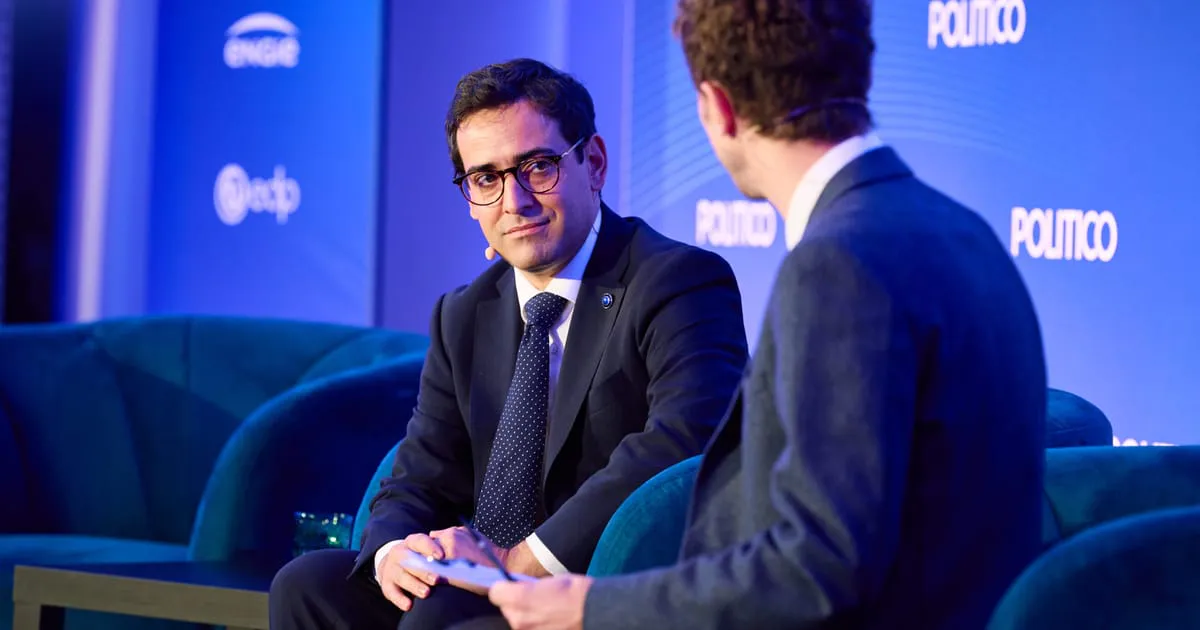
EU industry chief Stéphane Séjourné said on 13 October 2026 that he expected France and Germany to complete a bargain within hours or days, exchanging tougher protections under the Industrial Accelerator Act (IAA) for less restrictive combustion engine rules.
Speaking in Paris, Séjourné indicated he could accept flexibility on emissions rules and the combustion engine ban to advance IAA negotiations. His condition was that decarbonisation targets should not be abandoned entirely. French President Emmanuel Macron had signalled on 12 October that an agreement with Germany was imminent.
The proposal has divided lawmakers over preferential treatment for trading partners in the European market. An opt-in arrangement would make access conditional on qualifying beforehand. An opt-out arrangement would instead see the EU move to exclude partners failing reciprocity tests or other requirements.
German lawmakers account for many supporters of the opt-out approach within the centre-right European People’s Party. A minority of the party’s lawmakers, predominantly from Germany, have pushed to defeat the IAA or considerably narrow it. Séjourné expressed hope that the Franco-German agreement would reduce tensions and help resolve the parliamentary deadlock.
Séjourné dismissed the distinction between the two approaches, placing the emphasis on reciprocal treatment by partner countries. He also said the Made in Europe concept could not be extended without limit if the aim was to maintain manufacturing in Europe.