Canadian minister holds back on backing EU carbon border levy
Ottawa is seeking recognition of its carbon-pricing system to ease costs and paperwork for Canadian businesses exporting to the EU.
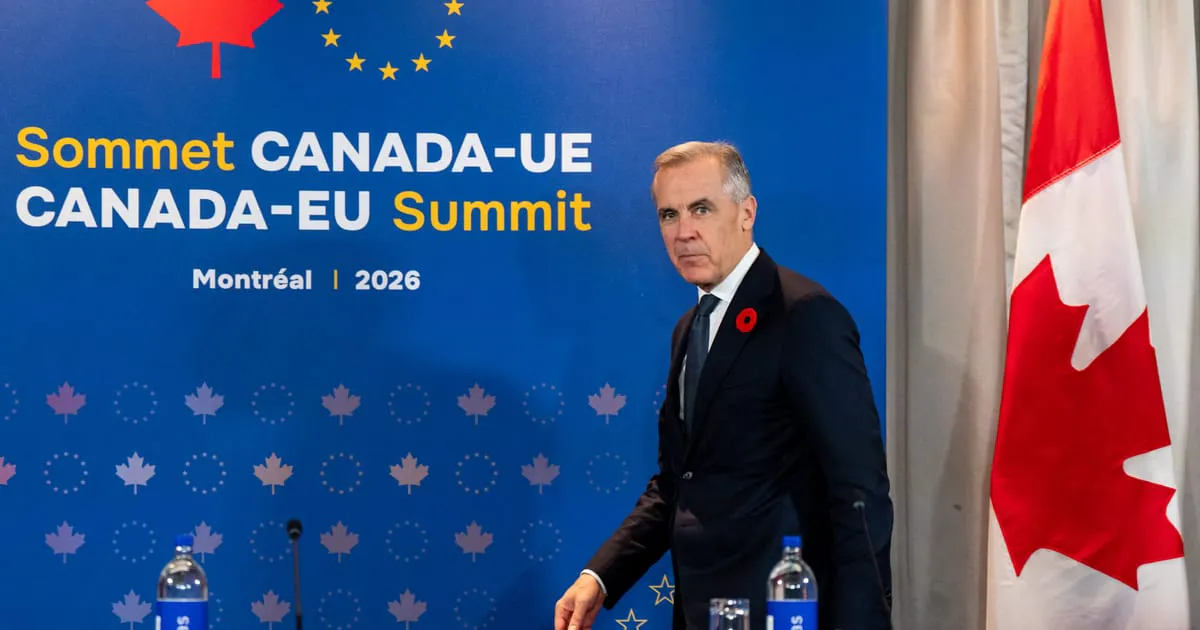
Canada’s Climate and Environment Minister Julia Dabrusin defended carbon pricing for industry but did not explicitly support the European Union’s carbon border levy when asked about it following an EU-Canada summit in Montreal on 29–30 October.
Dabrusin said pricing industrial emissions helped curb pollution and maintain business competitiveness as production shifted towards lower carbon emissions. She said Canada intended to strengthen its own system, while discussions about backing the EU mechanism remained open.
The Carbon Border Adjustment Mechanism (CBAM), which took effect in January 2026, applies a carbon cost to selected imports. It is designed to shield European manufacturers from competition from countries with less stringent climate requirements.
An internal document dated December 2025 from Canada’s trade and foreign affairs ministries says Ottawa is pursuing an agreement to ease CBAM-related paperwork for its exporters. Canada wants the EU to recognise its domestic carbon-pricing arrangements as sufficiently comparable to reduce both administrative requirements and financial costs.
The document flags possible barriers to expanding Canadian sales to Europe, notably for aluminium, steel, critical minerals and hydrogen. Canada currently lacks the participation in, or connection to, the EU Emissions Trading System required for a full exemption. EU importers bear the legal obligation under CBAM.
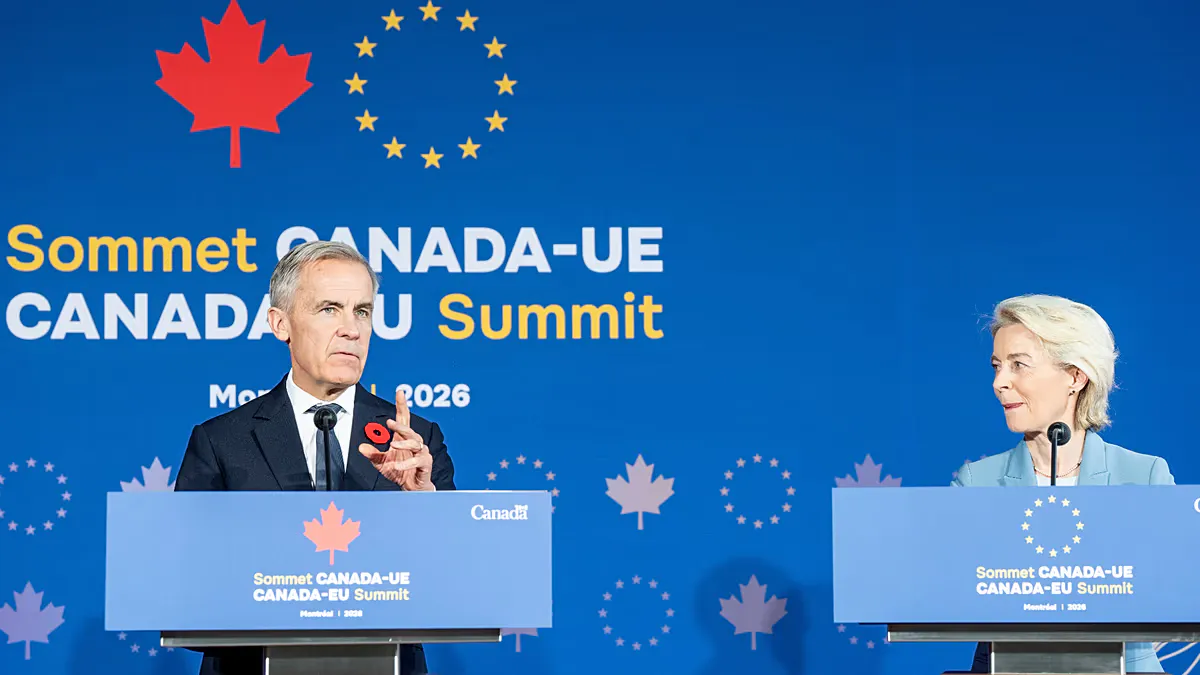
At the summit’s closing press conference on 30 October, Canadian Prime Minister Mark Carney said the two sides were seeking joint solutions on CBAM and other trade questions, without providing details.