EU budget flexibility risks obscuring spending, auditors’ chief warns
The European Commission proposes pooling about half the next seven-year budget, with national authorities taking a greater role in checking expenditure.
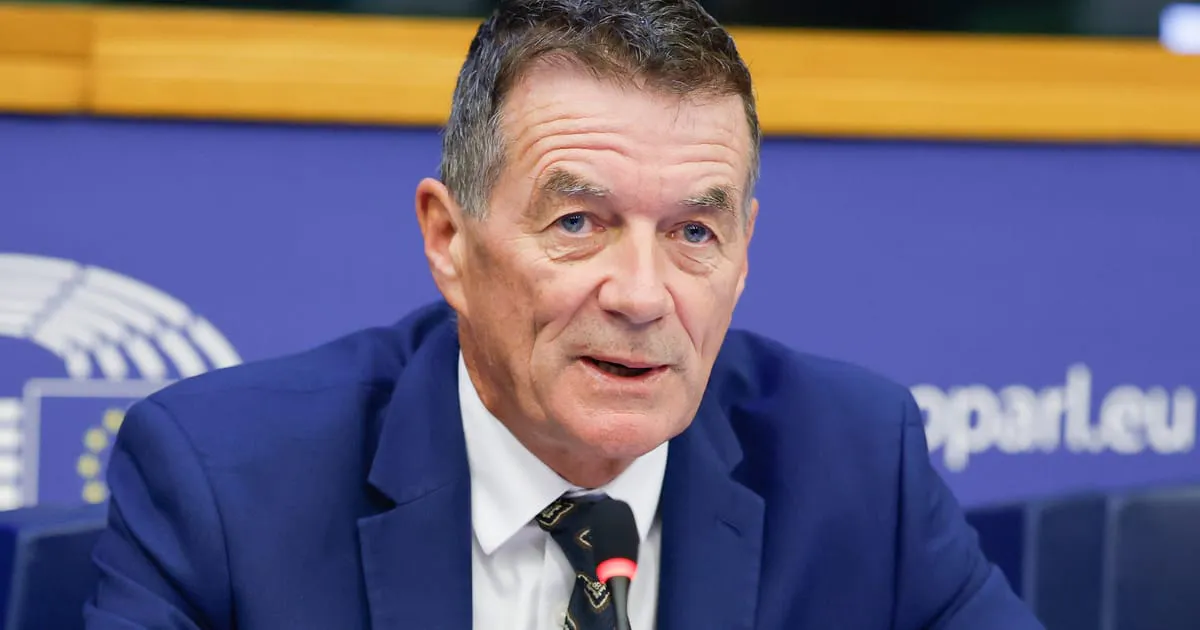
Giving governments more discretion over EU funds could hamper scrutiny of how they are used, European Court of Auditors President Tony Murphy warned. He said the European Commission’s proposed budget changes for the period after 2027 could make misuse more difficult to detect.
The Commission wants about half of the next seven-year budget to sit within a shared funding pot spanning migration, agriculture and regional development. It argues that greater flexibility would help countries respond to unexpected crises.
Murphy said the approach would increase reliance on domestic checks. Because national auditors have differing responsibilities and working methods, he warned that the EU watchdog might no longer be able to estimate misspending. Its latest report put the value of transactions affected by errors at an estimated €5 billion.
The proposed National and Regional Partnership Plans would bring the Common Agricultural Policy into a broader fund. Murphy said he favoured no particular model, but warned that blending EU resources with national budgets would complicate scrutiny.
He also raised transparency concerns about the EU’s post-Covid recovery fund, whose design informed the proposed plans. That fund made it easier to direct resources where needed, he said, but reduced spending transparency. The EU publishes only its 100 largest beneficiaries annually.
The Commission said its proposal would preserve central principles of existing controls and defended national authorities’ performance. It said it would retain the ability to request changes to national plans or corrective mechanisms when needed.