EU countries challenge electricity tax and grid charge plans
More than a dozen member states oppose preferential taxation for electricity over gas, while proposals for EU-wide grid charging rules face separate objections.
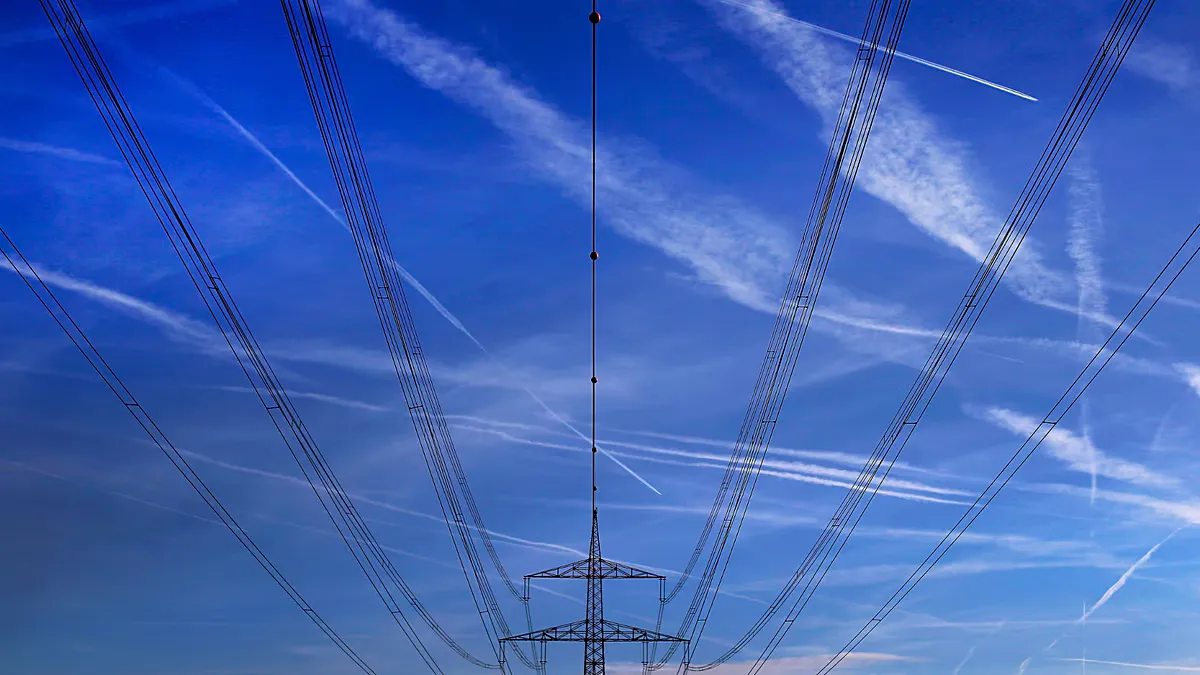
Germany, Italy and Poland were among more than a dozen EU countries seeking to remove a European Commission proposal giving electricity favourable tax treatment compared with gas. At an energy ministers’ meeting in Luxembourg, opponents argued that the Commission was exceeding its authority.
Several governments said the tax changes belonged in negotiations on the Energy Taxation Directive, where agreement must be unanimous. They objected to the Commission’s proposed use of qualified majority voting. The measure is intended to encourage businesses and households to replace fossil fuels with electricity.
Spain, Denmark and Luxembourg supported the Commission’s approach but sought flexibility. France called for a firmer legal basis and suggested limiting the measure to particular circumstances, such as a gas crisis. Luxembourg also suggested substituting a broader duty to encourage electrification.
A separate proposal drew the strongest resistance: allowing the Commission to establish common methods for calculating electricity network charges without seeking new approval each time from national governments and the European Parliament. Opponents included France and Spain as well as Germany, Italy, Slovakia, Poland and Finland.
Those countries argued that the proposed powers would weaken national regulators’ independence and shift decisions away from national authorities. Finland’s representative, Mika Nykänen, also raised concerns about the absence of a comprehensive impact assessment and said countries needed flexibility to account for their electricity systems and investment requirements.
Energy Commissioner Dan Jørgensen defended the plans, saying legal advisers to the Commission and the Council considered them lawful. He argued they could reduce electricity bills both immediately and over the longer term. The Irish Presidency, which is mediating the talks, wants agreement on a network-charge compromise in December.