AI liability divides von der Leyen’s parliamentary allies
Socialist and Green lawmakers want legislation on harm caused by AI models, while the centre-right is pressing for fewer administrative burdens.
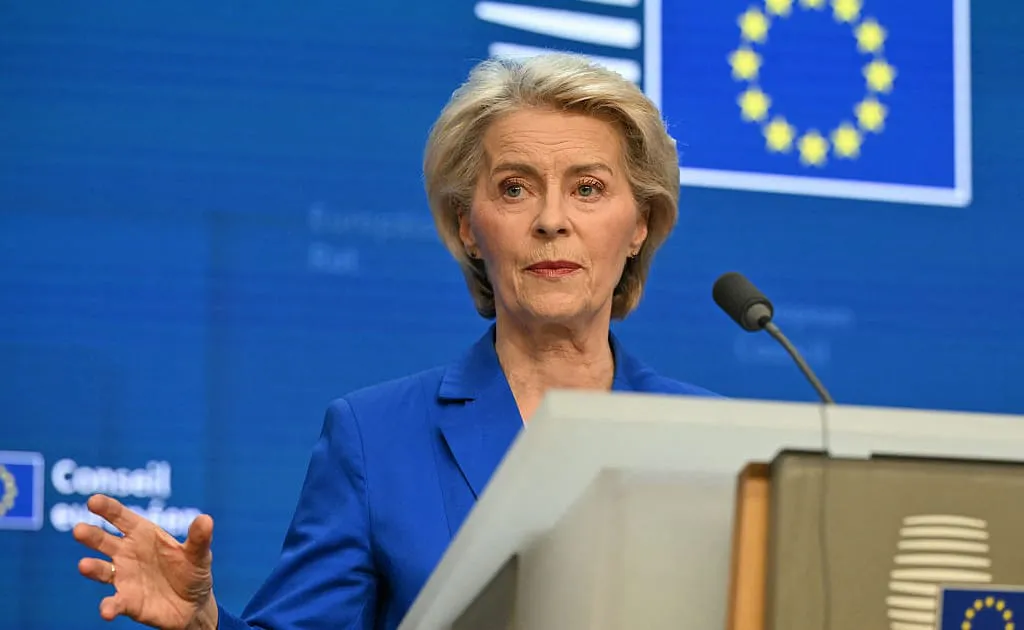
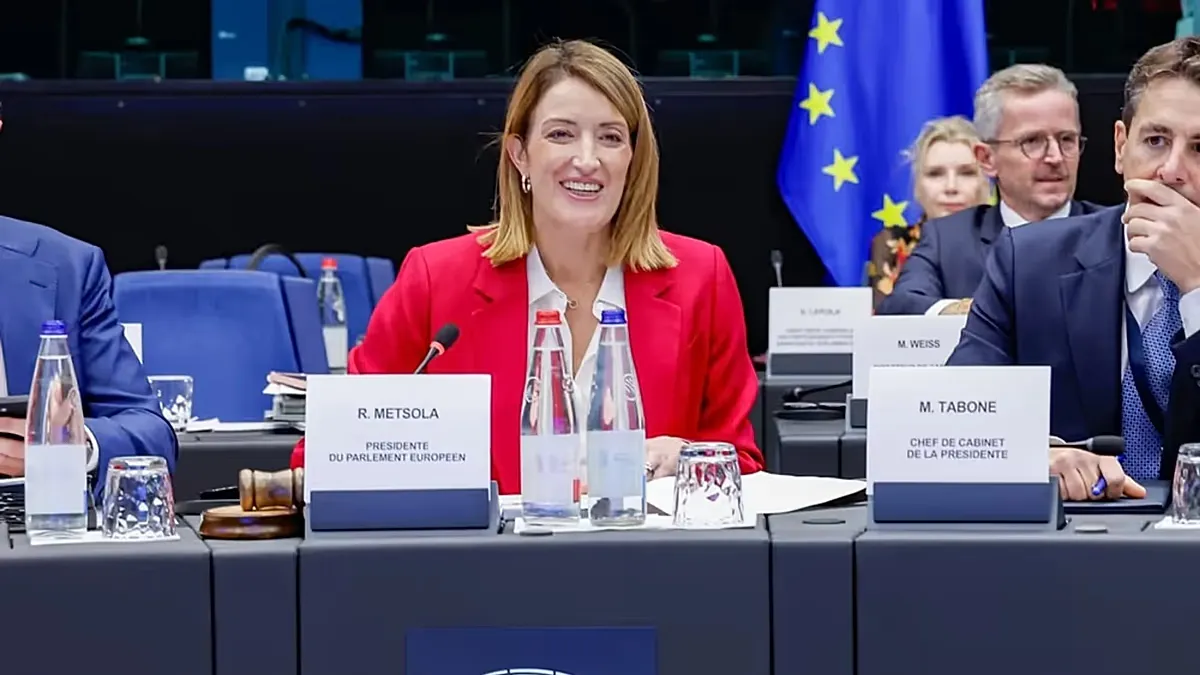
Calls to revive EU legislation on artificial intelligence liability exposed divisions among parties supporting European Commission President Ursula von der Leyen during a European Parliament debate on 22 October 2026. Socialist and Green members sought new rules, while the centre-right emphasised simplification and competitiveness.
The exchanges formed part of discussions on a global framework for AI regulation. Alex Agius Saliba, a Maltese vice-president of the Socialists and Democrats, criticised the Commission’s withdrawal of its earlier liability proposal and urged it to bring the legislation back.
Socialist and Green lawmakers want AI companies to be liable for damage their models cause. Dutch Green lawmaker Kim van Sparrentak drew a comparison with manufacturers’ responsibility for harmful products and called for legislation extending to AI testing and development.
Swedish centre-right lawmaker Arba Kokalari described the existing AI Act as a comprehensive regulatory framework, noting that some provisions had yet to take effect. She argued for reducing bureaucracy, attracting more private investment and improving access to data and computing infrastructure so European companies could compete internationally.
The Commission considered dedicated AI liability rules in 2022, but later withdrew them during its simplification drive. International Partnerships Commissioner Jozef Síkela said the proposal had been dropped because EU countries and Parliament members had been unable to agree.