Most EU leaders resist push to postpone transport and heating carbon charges
Italy and Poland sought to move ETS2’s introduction to at least 2030, while Estonia floated abandoning the scheme.
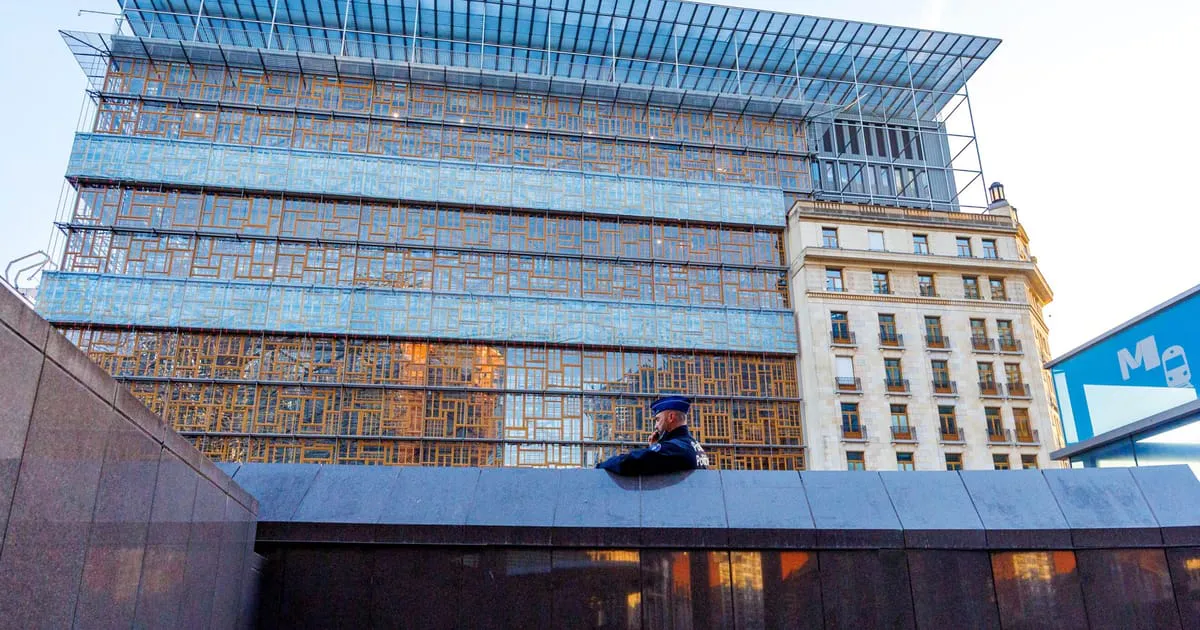
Most EU governments opposed demands to postpone ETS2 during a Brussels summit on 15 October 2026, EU diplomats said. Leaders spent three hours arguing over the carbon-pricing scheme for transport and heating, which is due to start in 2028.
Italy and Poland wanted the scheme reviewed and its launch pushed back until at least 2030. Czechia, Slovakia, Hungary and Greece supported that request, while Estonia suggested dropping ETS2 entirely.
Five diplomats speaking anonymously about the negotiations said the Netherlands and Nordic governments firmly resisted changes. France and Germany also supported keeping the arrangements unchanged. The dispute took up time initially intended for talks on reducing high energy prices.
The argument extended to the existing Emissions Trading System, which covers carbon emissions from power plants and factories. Italy and Poland have challenged that system, portraying it as a burden on household bills.
Changes to the existing system are under consideration by the European Parliament and the Council of the EU. The European Commission proposed easing carbon restrictions in July to give industrial companies longer to invest in cleaner production over the next decade. Rome and Warsaw want further concessions.