Norwegian commission proposes lifting fund ban on some nuclear arms makers
The proposal would let Norway’s €2 trillion sovereign wealth fund invest in certain British, French and American defence companies.
A commission appointed by Norway’s government has recommended allowing the country’s €2 trillion sovereign wealth fund to buy shares in some nuclear weapons manufacturers. The proposal, presented on 15 October, forms part of a review of the fund’s investment ethics.
Eligibility would depend on where a manufacturer is based: its home country would have to be both a Norwegian NATO ally and a recognised nuclear-weapon state under the Treaty on the Non-Proliferation of Nuclear Weapons. Commission chair Svein Gjedrem, a former central bank governor, said this would allow several British, French and American manufacturers back into the portfolio.
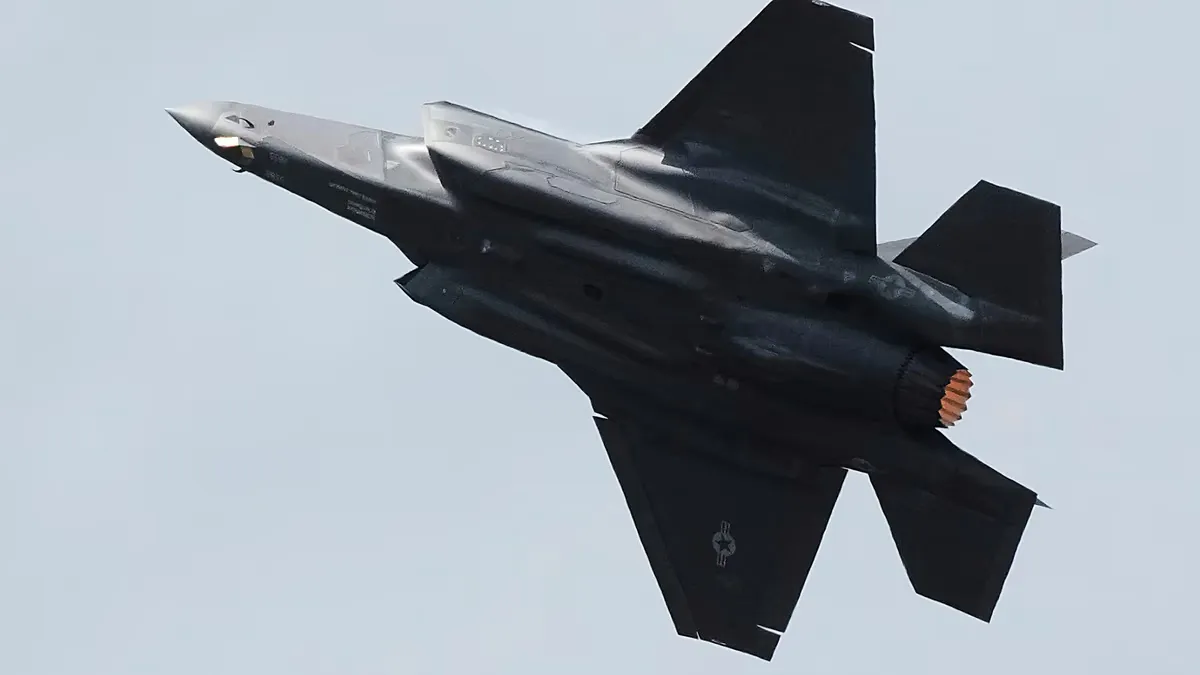
The existing nuclear weapons restriction excludes 14 companies involved in producing or developing the weapons or their components. They include Airbus, BAE Systems, Boeing, Lockheed Martin and Safran.
The commission said exclusions relating to biological and chemical weapons, landmines, cluster bombs, coal, tobacco and cannabis should remain. Its recommendations also cover the independent Council on Ethics, which advises Norway’s central bank, the fund’s manager.
The council would continue assessing whether companies risk serious breaches of ethical standards but would lose the authority to recommend their exclusion directly. That authority is already suspended while the review takes place.
Finance Minister Jens Stoltenberg received the report. Public consultation on its proposals runs until 15 January, after which the government will put its assessment before parliament. Some political parties, particularly on the left, have criticised the recommendations.
The fund holds investments in over 7,000 companies worldwide, representing roughly 1.5 per cent of global listed shares.