Leap seconds to be scrapped from 20 May 2027
Delegates meeting in Versailles approved a change to the global time standard, allowing atomic and astronomical time to drift further apart.
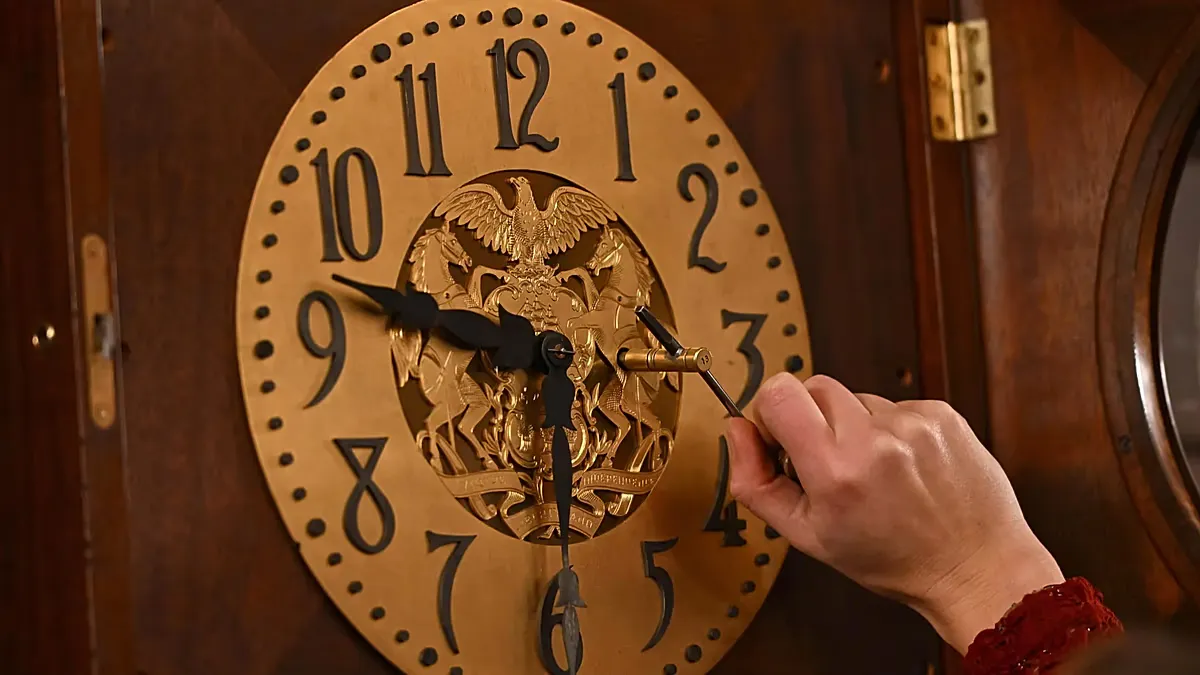
The General Conference on Weights and Measures (CGPM) voted on 15 October 2026 to halt leap-second adjustments from 20 May 2027. The decision, taken at its 28th meeting in Versailles, means Coordinated Universal Time (UTC) will operate without those interruptions.
UTC uses atomic clocks, while astronomical time tracks the Earth's uneven rotation. Since 1972, timekeepers have inserted 27 leap seconds to limit the difference between them, most recently at the close of 2016. Such adjustments can produce a minute lasting 61 seconds.
Previous adjustments have disrupted computers and online services. Telecommunications, satellite navigation and electricity infrastructure also rely on closely synchronised clocks, making irregular changes a technical concern.
The possibility of needing to subtract a second helped prompt the decision. Although tidal forces slow Earth's rotation over long periods, the planet has occasionally rotated faster in recent years. A negative leap second has never been applied, leaving uncertainty about how technical systems would respond.
The revised rules permit the difference between UTC and astronomical time to increase, potentially to 3,600 seconds, or one hour. Experts believe any correction would still be some time away. Astronomy, geodesy and some satellite applications will need to account separately for that difference when necessary.
The change will have no immediate effect on everyday life in the United Kingdom. It is separate from seasonal clock changes: winter will continue to use Greenwich Mean Time and summer British Summer Time.