Costa proposes narrower business levy to advance EU budget talks
The proposed charge would apply only to firms with annual turnover above €750 million, as negotiators seek agreement on new EU revenue sources.
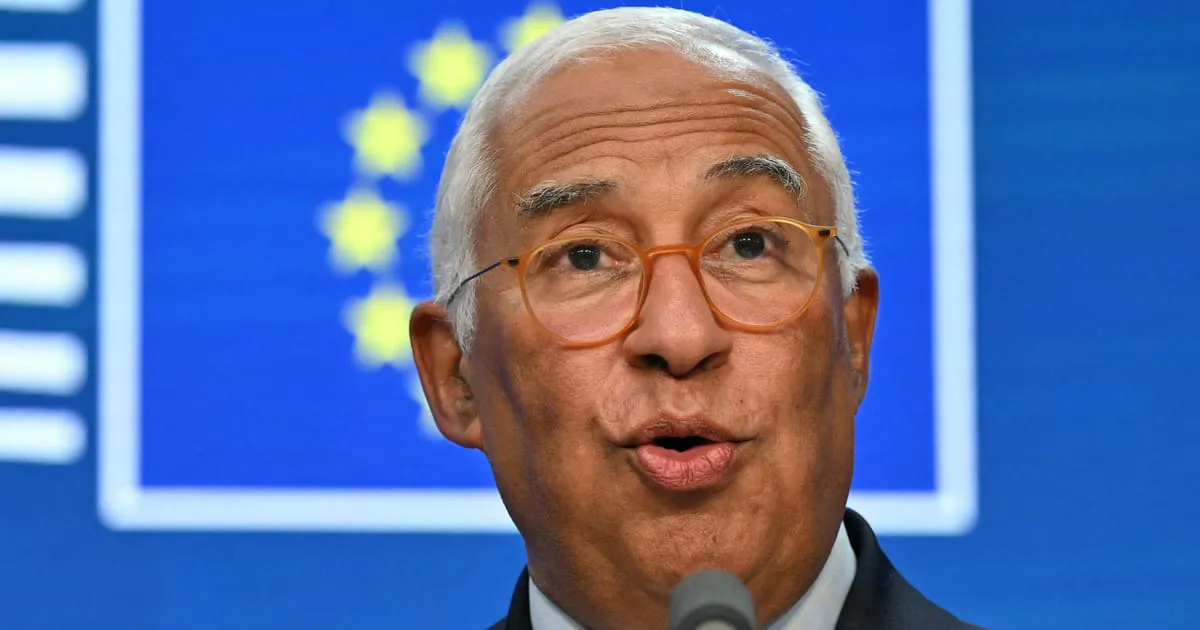
European Council President António Costa has suggested replacing a proposed lump-sum business tax with a 0.05 per cent levy limited to companies whose yearly turnover exceeds €750 million, according to two EU diplomats briefed on the talks. The change is intended to help secure agreement on the EU’s next long-term budget.
Pedro Lourtie, Costa’s head of cabinet, discussed the changes with EU governments on 5 November. The European Commission’s original CORE proposal, presented last year, would charge companies a lump sum once their revenues exceeded €100 million. Germany leads a group opposing that proposal over its impact on competitiveness and medium-sized businesses.
Two diplomats doubted that the narrower levy would attract enough support. New EU revenue sources, known as own resources, remain a central obstacle in the budget negotiations. France wants new taxes to lower national budget contributions, and Costa’s team indicated it would retain the Commission’s projected annual revenue of €65 billion from its tax proposals.
Other suggestions included adding 25 cents per kilo to charges on non-collected plastic and electronic waste. The diplomats also proposed directing 100 per cent of carbon-import tax revenue to the EU budget, rather than the current 75 per cent, and examining levies involving crypto firms and national spectrum auctions.
Lourtie also suggested a gradual introduction of tobacco and Emissions Trading System charges for countries facing a disproportionate impact. Separately, Costa’s team signalled further budget reductions, potentially affecting regional cohesion funding. Cuts to agricultural subsidies were considered less likely, the two diplomats said.
The bilateral discussions are intended to prepare an agreement before the end of 2026. Costa will present a revised budget negotiating document on 21 November before a special summit the following week, according to the diplomats.