Germany rejects proposed €159 billion cut to EU budget plan
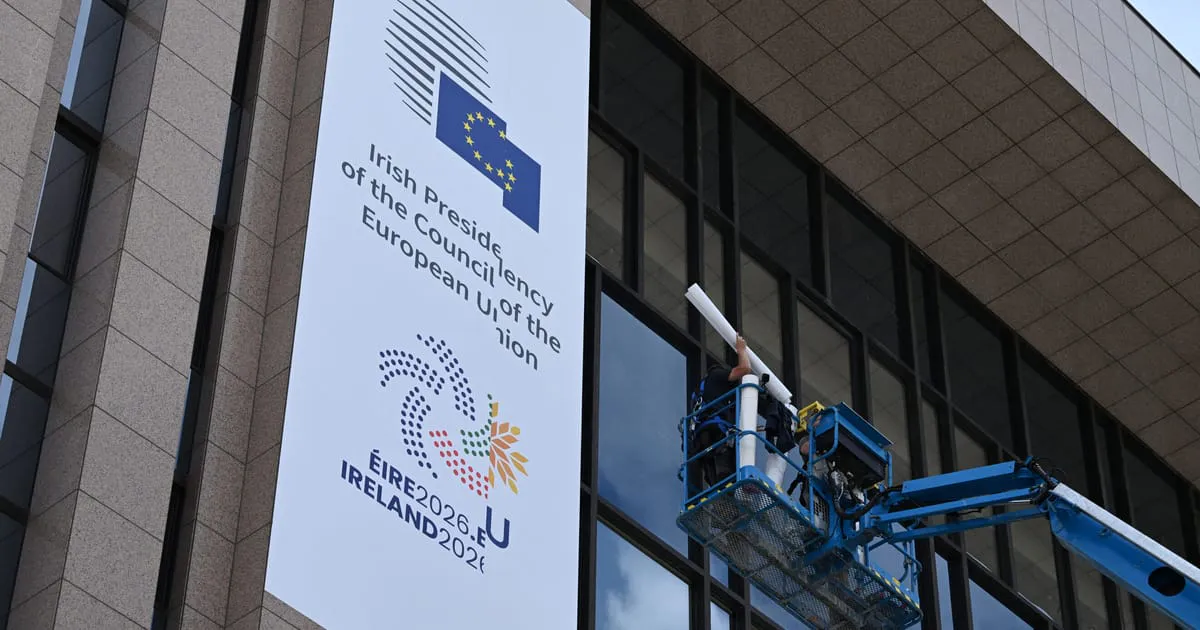
Ireland proposed reducing the 2028–2034 budget by around 8 per cent while protecting agriculture and regional funding.
Germany and several allied governments said on 10 October 2026 that Ireland’s proposed reductions to the EU’s next seven-year budget were insufficient. The Irish presidency of the Council of the European Union put forward cuts worth €159 billion in current prices to the European Commission’s nearly €2 trillion proposal.
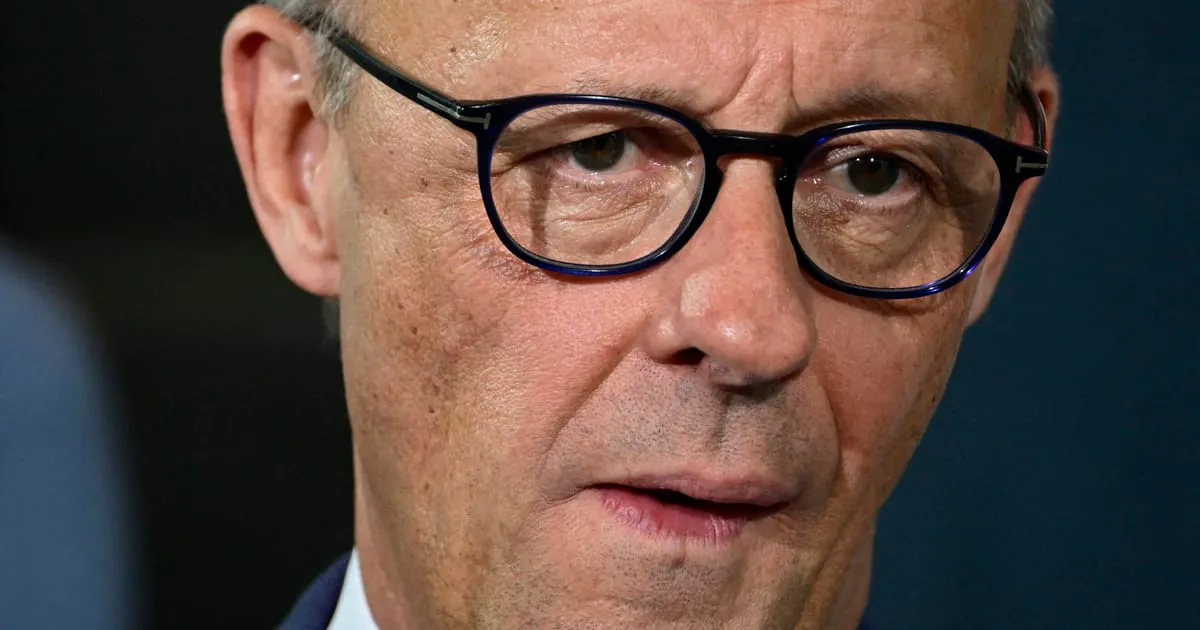
German Chancellor Friedrich Merz said the revised amount could not underpin an agreement and that the budget needed to remain affordable for its main funders. Germany provides approximately one-quarter of the common budget. Together with Sweden, Denmark, the Netherlands, Finland and Austria, it accounts for 40 per cent.
Ireland preserved the proposed allocations for agriculture and regional development, directing reductions instead towards areas including competitiveness, defence and development aid. Farming subsidies and cohesion funding represent almost half of the budget. The 17-country Friends of Cohesion group opposes cuts to those areas.
Sweden’s Europe minister Jessica Rosencrantz criticised the proposal because total spending would still exceed the current budget. Austrian Europe Minister Claudia Bauer also said it remained far from acceptable. Countries seeking tighter spending objected that the reductions fell disproportionately on defence and competitiveness, which they favour.
Governments aim to agree on the budget by the end of the year, ahead of elections in France, Italy and Poland in 2027. Dutch Finance Minister Eelco Heinen warned that the current pace would not deliver a deal by that deadline.
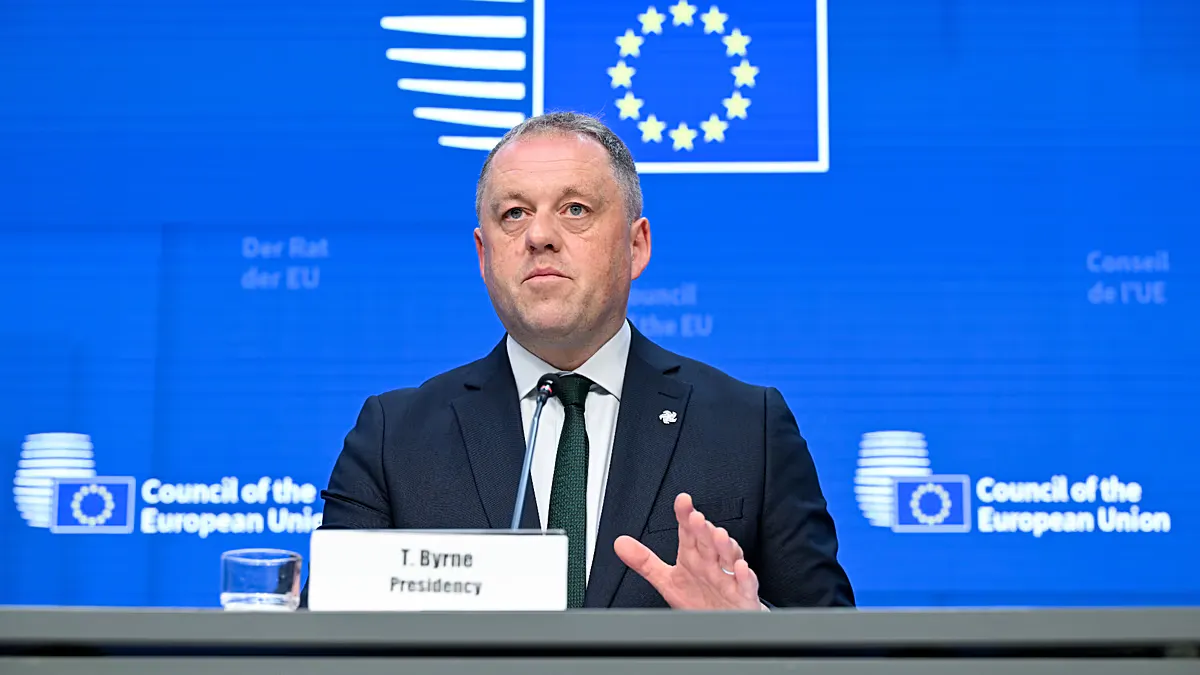
Ireland’s Minister of State for European Affairs Thomas Byrne defended the plan as a balanced compromise. Italy’s Agriculture Minister Francesco Lollobrigida welcomed restored agriculture funding but remained dissatisfied. Poland’s Europe minister Ignacy Niemczycki welcomed his country retaining the largest allocation, while saying the overall budget did not reflect the EU’s ambitions.