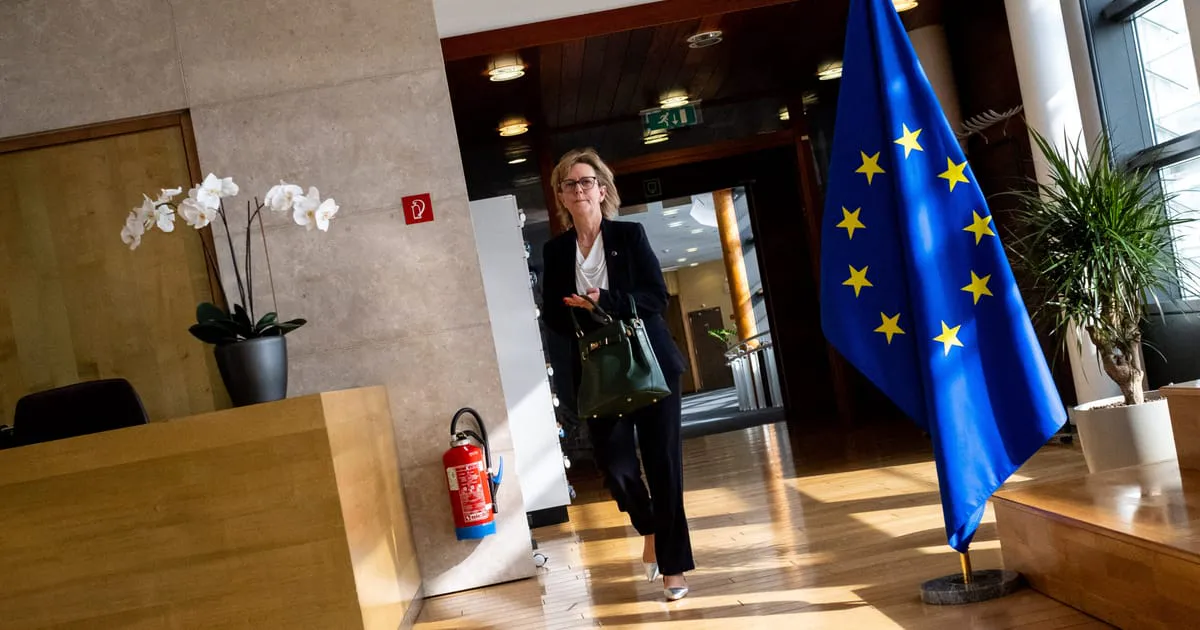
Irish proposal would cut planned EU budget by €159 billion
The plan protects farm subsidies and regional funding while proposing reductions of €75 billion for competitiveness and €38 billion for foreign aid.
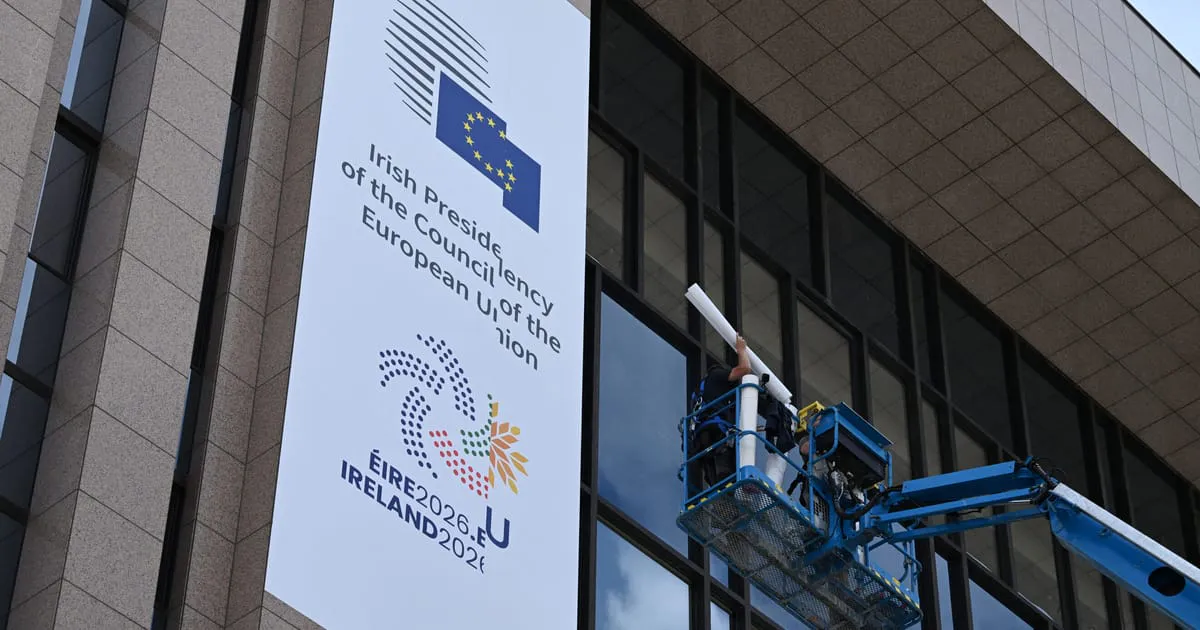
Ireland proposed on 10 October 2026 to reduce the EU’s planned 2028–2034 budget by €159 billion compared with the European Commission’s original proposal. The Irish presidency of the Council of the European Union is seeking an overall reduction of around 8 per cent amid demands for deeper cuts from Germany and its allies.
The negotiating document would remove €122 billion in current prices from the framework put forward by the Cyprus presidency in June. Governments remain divided over the nearly €2 trillion budget proposal, with southern and eastern countries in the Friends of Cohesion group resisting reductions.
Ireland’s plan leaves agricultural subsidies and regional payments unchanged. Together, they represent half of the budget. Competitiveness funding would fall by €75 billion, foreign aid by €38 billion and administrative spending by €10 billion.
The proposal also eliminates the EU Facility cushion, a reserve enabling the Commission to respond financially to unforeseen emergencies during the budget period. An EU diplomat criticised the proposed spending level as unaffordable and said the document could not underpin an agreement between governments.
On revenue, Ireland retained the Commission’s package of five proposed EU-wide taxes, intended to generate €66 billion for the budget, with only technical adjustments. France had sought the inclusion of European Parliament proposals targeting digital giants, online gambling and cryptocurrency firms.
Ireland suggested introducing ETS contributions gradually for poorer countries disproportionately affected by the levy on polluting firms. It also proposed raising budget contributions from the levy on carbon imports. European Council President António Costa said he intended to settle on a package of potential taxes acceptable to governments at the leaders’ meeting.
EU ambassadors will review the plan before the leaders’ discussions. Governments aim to reach their own budget agreement by the end of the year, ahead of elections in France, Poland and Italy that could disrupt negotiations.