Von der Leyen challenges German push to shrink EU budget
The Commission president defended a 2028-2034 proposal worth 1.26 per cent of EU gross national income as governments seek agreement before the end of 2026.
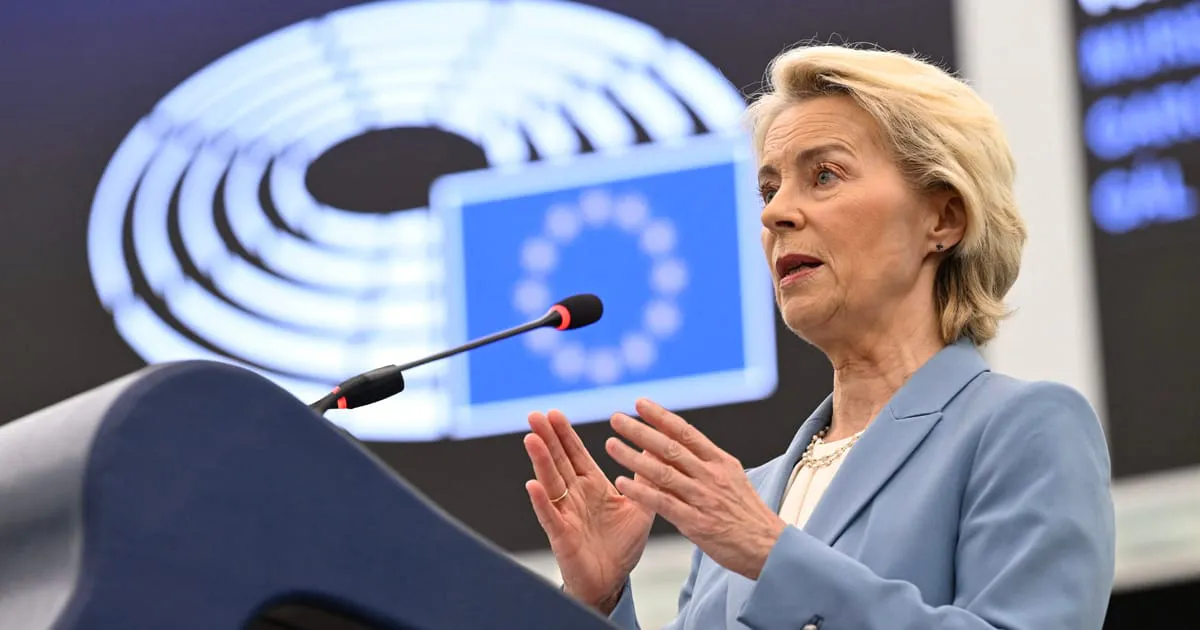
Deep reductions in EU spending would put competitiveness and energy autonomy at risk, European Commission President Ursula von der Leyen said in Strasbourg on 6 October 2026. Her address to the European Parliament challenged Germany’s demands for substantial savings in the next seven-year budget.
Von der Leyen put the Commission’s proposed allocation for 2028-2034 at 1.26 per cent of EU gross national income. She urged approval of new EU-wide taxes, saying these would finance the budget while reducing the amounts national governments must contribute.
The Irish presidency of the Council of the European Union is leading the negotiations and is expected to present revised budget figures. Several European officials expect its proposal to cut spending by more than €100 billion, with EU ambassadors due to discuss it afterwards.
Berlin and its Northern European allies want reductions amounting to hundreds of billions of euros. A rival group comprising 17 Southern and Eastern European countries, with Italy and Romania leading, has sent a joint letter seeking to safeguard agricultural subsidies and regional funding.
Governments aim to conclude talks before the end of 2026, ahead of elections in France, Italy and Poland in 2027 that could complicate negotiations. German Chancellor Friedrich Merz said the absence of a new financial framework would be Germany’s most financially favourable outcome, but acknowledged it would constrain EU action. He also called for a deal by year-end.