Commission challenges Ireland’s €159 billion EU budget cuts
Emergency reserves would lose at least €22 billion under the Irish proposal, while agriculture and regional funding would remain untouched.
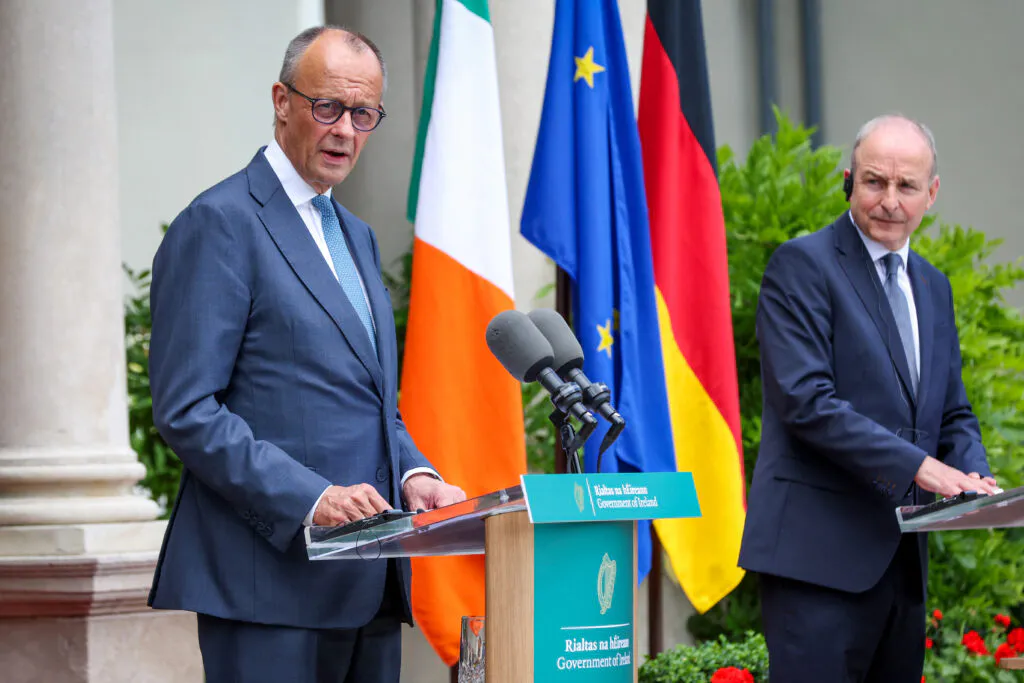
A plan by Ireland to remove €159 billion from proposed EU spending would weaken the bloc’s crisis response, the European Commission has warned governments. Four EU diplomats familiar with the confidential discussions described the warning, delivered by Stéphanie Riso, the Commission’s top budget official, to ambassadors representing the 27 member countries.
Ireland is leading the negotiations as president of the Council of the European Union. Its proposal would trim around 8 per cent from the Commission’s nearly €2 trillion plan covering 2028 to 2034. The reductions, measured in current prices, would take €75 billion from competitiveness, €38 billion from foreign aid and at least €22 billion from emergency reserves.
The Commission argued that scaling back or eliminating financial cushions for unexpected events would leave spending more rigid and might necessitate a midterm budget review. It also warned that the proposed spending envelope would fall below the current budget if post-Covid debt repayments were left out.
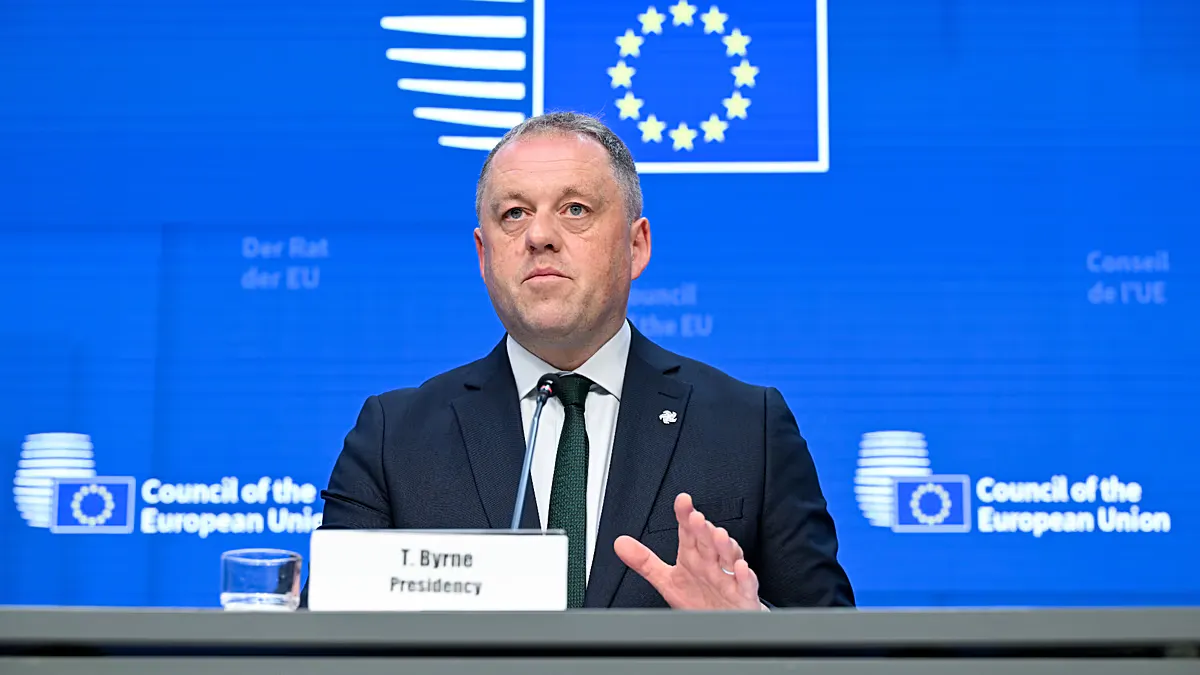
Thomas Byrne, Ireland’s Europe Minister, contested that assessment, arguing that the proposal offered greater flexibility and answered member states’ requests for simpler arrangements.
The negotiations also exposed divisions among governments. Countries led by Germany sought reductions of several hundred billion, while the Friends of Cohesion group, comprising 17 countries, welcomed the protection of agriculture and regional payments. Governments are seeking an agreement before the year ends, ahead of elections in France, Italy and Poland.