
UK budget offers £100 energy payments and raises bank tax
Chancellor John Healey targets around 20 million households for winter support while reducing the fiscal buffer and increasing a surcharge on bank profits.
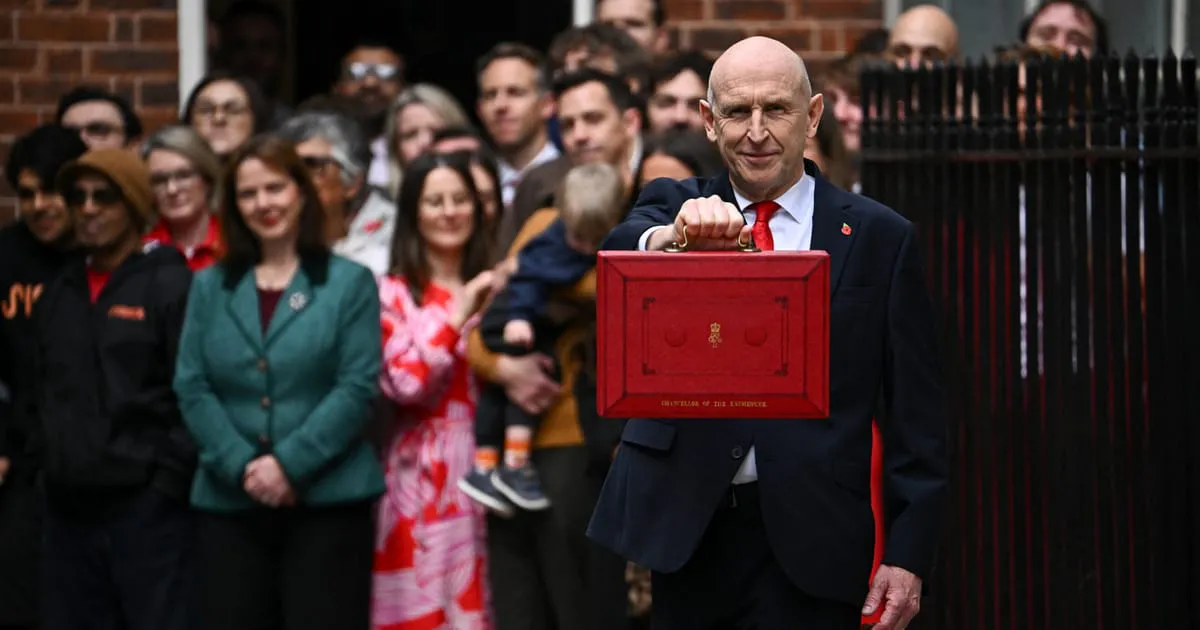
British Chancellor John Healey announced winter energy support costing £2.6 billion and a temporary increase in bank taxation on 28 October 2026, delivering the first budget of Andy Burnham’s premiership.
Around 20 million households are being targeted for £100 payments, which Healey said would go straight to their bank accounts. He blamed the Middle East war for pushing up costs. Higher global gas prices are expected to add around £450 to annual household energy bills in January.
Other measures include abolishing standing charges on household gas bills, increasing the minimum wage and introducing a tax-free allowance for poorer pensioners.
The surcharge on bank profits will rise by three percentage points to 6 per cent for 15 months from January. Budget documents said the increase would not be extended. Shares in lenders including Lloyds and Barclays initially rose after the measure proved smaller than previously anticipated.
The Office for Budget Responsibility projects that the government’s fiscal headroom — the margin available within its tax and spending rules — will shrink to £15 billion in 2029/30. Its March forecast had put the buffer at £24 billion. The latest projection puts it back at £22 billion in 2030/31.
Economic growth for 2026 is now forecast at 1.2 per cent, compared with 1.1 per cent in March. However, the 2027 forecast has been lowered to 1 per cent from 1.6 per cent. Budget documents put net tax rises in the forecast’s final year at £7 billion, against £26 billion under Healey’s predecessor Rachel Reeves.
Conservative leader Kemi Badenoch criticised Labour’s spending, borrowing and taxation, accusing Healey of postponing difficult decisions to preserve Burnham’s option of calling an early general election.