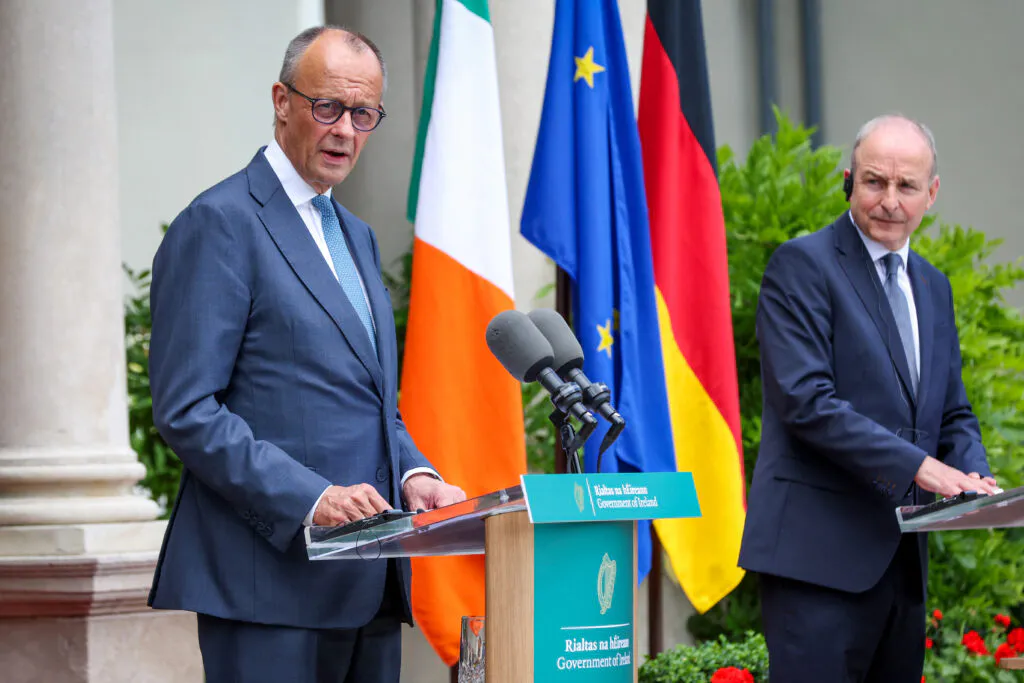
Germany, Italy and Belgium urge EU legislative brake
The leaders want national capitals to be able to block new EU legislation they regard as too burdensome, alongside faster approvals and temporary regulatory suspensions.
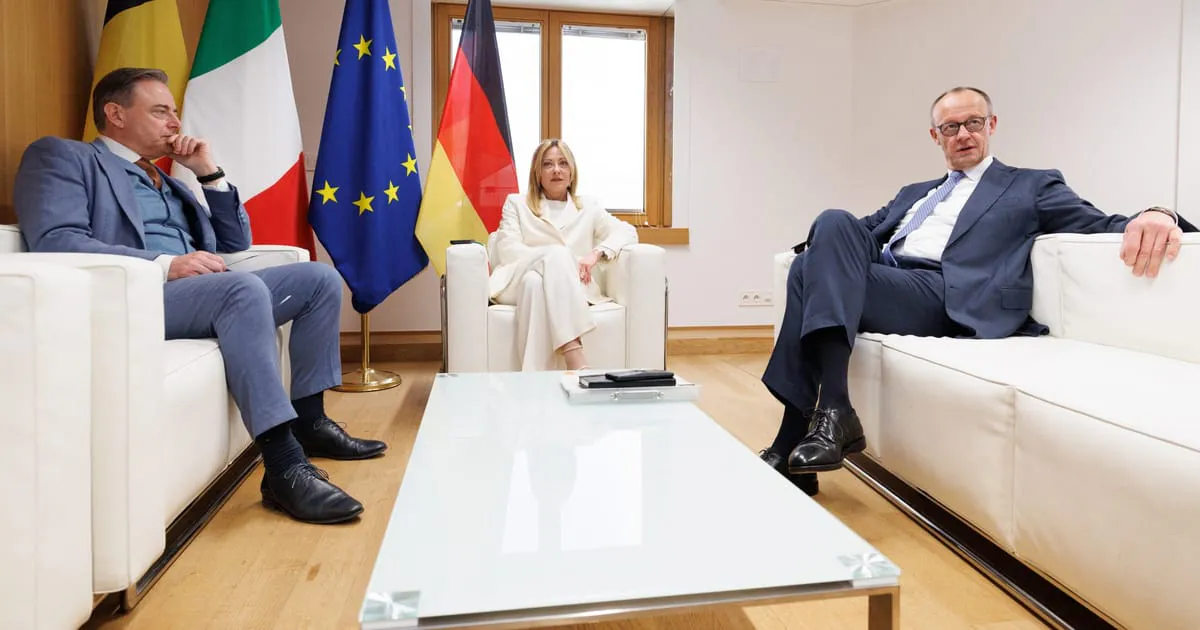
Germany, Italy and Belgium have urged the EU to give national capitals a way to stop proposed laws when they judge the requirements too onerous for public authorities and businesses. Their leaders set out the request in a letter on 12 October 2026 to António Costa, president of the European Council.
The signatories — German Chancellor Friedrich Merz, Italian Prime Minister Giorgia Meloni and Belgian Prime Minister Bart de Wever — argued that the mechanism would improve the bloc’s economic competitiveness. They also sought quicker planning decisions and approvals, plus a rule permitting temporary suspension of selected areas of regulation.
The three leaders pressed the European Commission for more extensive measures to cut administrative burdens, giving priority to smaller and medium-sized businesses. They said their shared aim was to stop unnecessary regulatory costs from permanently reducing European industrial capacity and further undermining investment and competitiveness.
Similar requests were made in March following a competitiveness summit. The latest letter precedes a two-day gathering of the European Council in Brussels, where leaders are due to discuss energy prices, the EU’s long-term budget and assistance for Ukraine.